
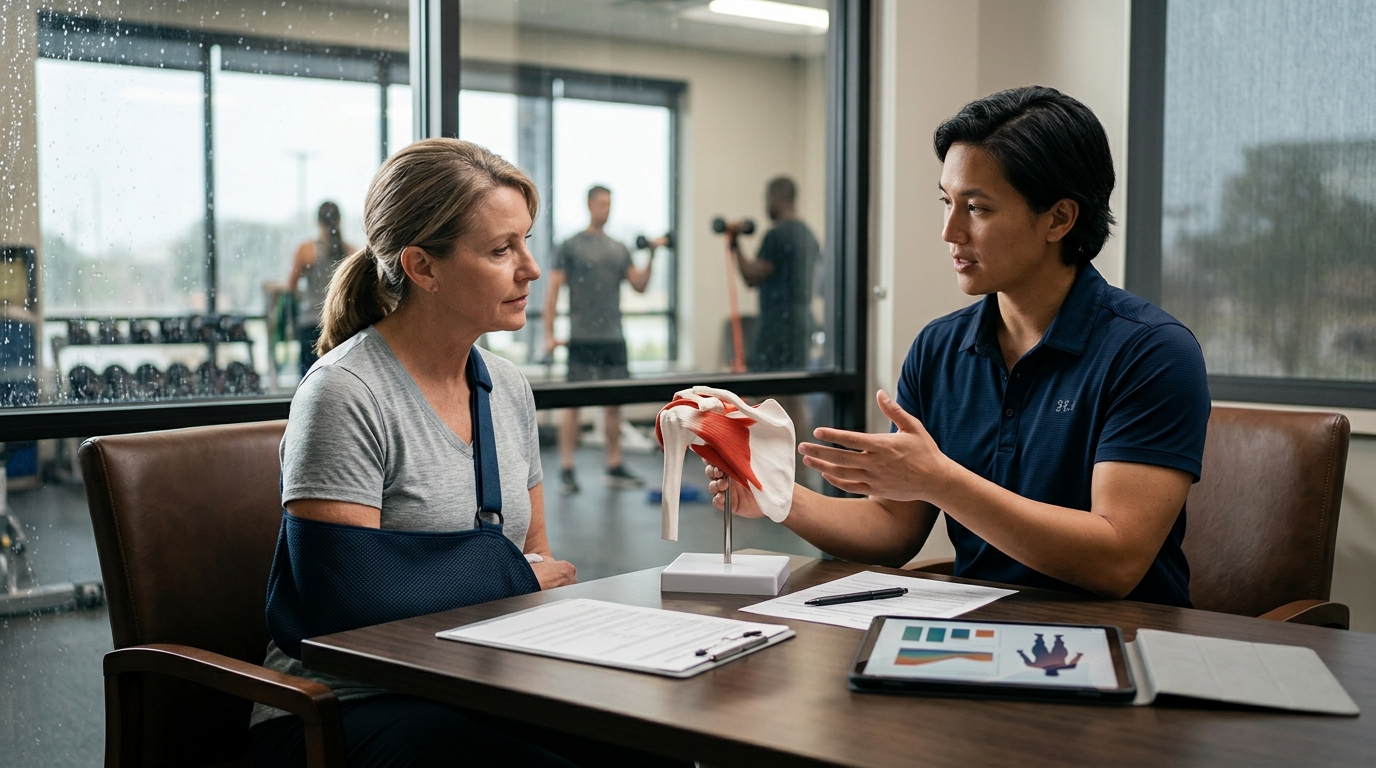
Rotator cuff injuries represent one of the most prevalent orthopedic challenges facing active individuals in the South Plains. According to recent orthopedic data, approximately 50% of adults over age 40 show evidence of a rotator cuff tear on imaging, yet only a fraction require surgical intervention. Understanding the nuanced differences between conservative management and operative repair is critical for restoring shoulder function and preventing long-term disability. This guide outlines the essential criteria for choosing between surgery and physical therapy, leveraging the specialized expertise available at Lubbock Sports Medicine.
Defining the Rotator Cuff Injury
Before determining the appropriate treatment path, it is vital to understand the anatomy involved. The rotator cuff is a group of four muscles and their tendons that stabilize the shoulder joint. When these tendons are damaged, it results in pain, weakness, and limited range of motion. Rotator cuff tear is a condition where one or more of these tendons are partially or completely torn from the bone.
The severity of the tear dictates the prognosis. Small tears may heal with rest and therapy, while large or full-thickness tears often require more aggressive intervention. At Lubbock Sports Medicine, our physicians utilize advanced diagnostic tools to assess the extent of the damage. This includes physical examinations and imaging studies such as MRI or ultrasound. The goal is to determine whether the tear is acute or chronic, and whether it is reparable.
The Role of Physical Therapy
Physical therapy is often the first line of defense for many rotator cuff injuries. It focuses on restoring strength, flexibility, and stability to the shoulder joint. Physical therapy is a rehabilitative treatment that uses exercise, manual therapy, and education to improve mobility and reduce pain.
Who Benefits from Physical Therapy?
Conservative management is typically recommended for partial-thickness tears, small full-thickness tears, or patients with low physical demands. The process involves a structured program of stretching and strengthening exercises. Over time, this can help the shoulder compensate for the torn tendon. Many patients achieve significant pain relief and functional improvement without ever entering an operating room.
Our team at Lubbock Sports Rehab specializes in guiding patients through this recovery process. We tailor each program to the individual’s lifestyle and goals. Whether you are a recreational athlete or a senior looking to maintain independence, physical therapy offers a non-invasive path to recovery.
Limits of Conservative Care
However, physical therapy is not a cure-all. If the tendon is completely detached and retracted, therapy cannot reattach it. In such cases, the muscle may undergo fatty infiltration, making future repair difficult. Recognizing when therapy is insufficient is key to avoiding permanent weakness.
When Surgery Becomes Necessary
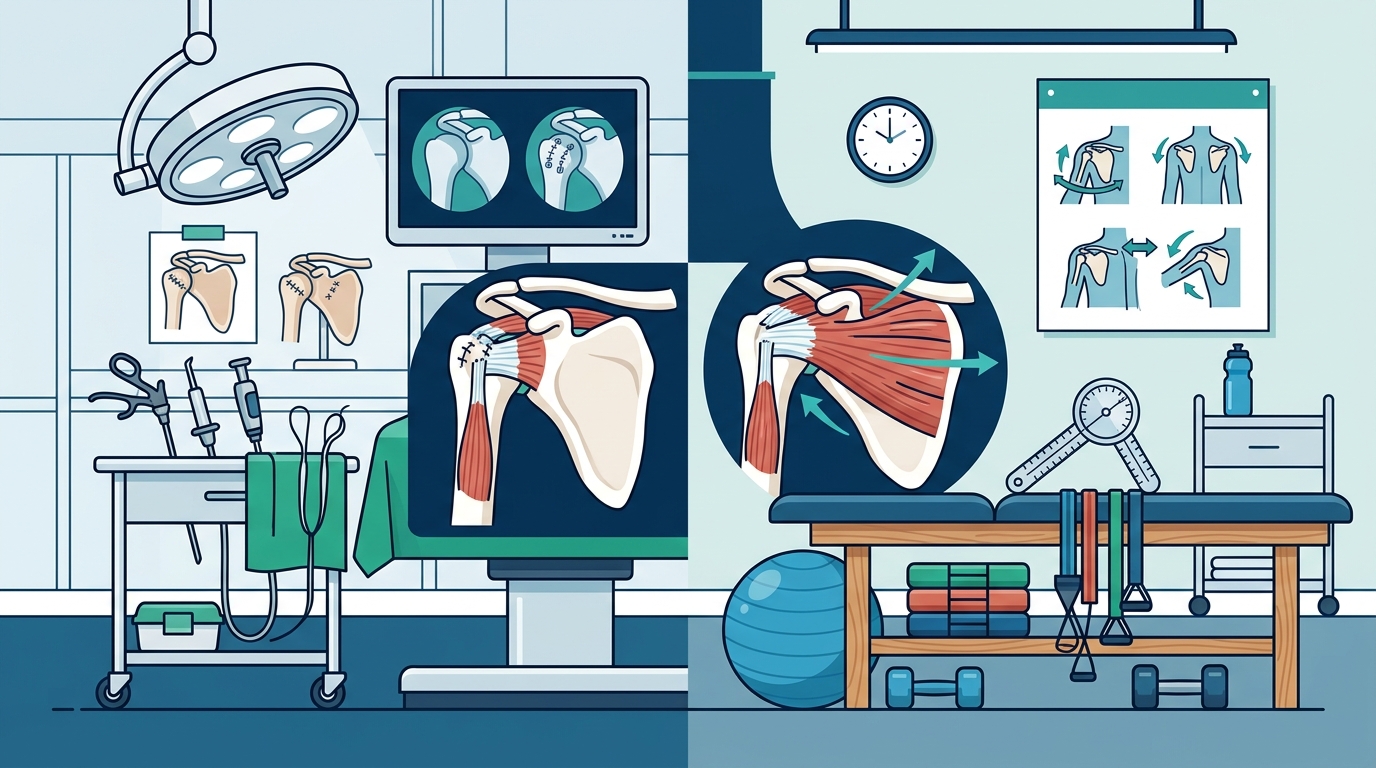
Surgical intervention is reserved for specific scenarios where conservative measures have failed or where immediate repair is critical. The decision to operate is based on several factors, including the size of the tear, the patient’s age, and their activity level.
Acute Tears in Active Patients
Younger, active individuals who suffer an acute tear often benefit from early surgical repair. The goal is to restore anatomy and function as quickly as possible. Delaying surgery in these cases can lead to muscle atrophy and poor outcomes. Our surgeons at Lubbock Sports Medicine are experts in arthroscopic and open repair techniques.
Failed Conservative Treatment
If a patient completes a comprehensive course of physical therapy without significant improvement, surgery may be the next step. Persistent pain and weakness that interfere with daily activities or work are strong indicators for operative care. The decision is always made collaboratively, ensuring the patient understands the risks and benefits.
Robotic-Assisted Precision
For patients requiring joint reconstruction or complex repairs, we offer MAKO Robotic-Arm Assisted Technology. While primarily known for hip and knee replacements, this precision technology reflects our commitment to excellence in orthopedic care. For shoulder repairs, we utilize advanced arthroscopic techniques to minimize tissue damage and accelerate recovery.
Treatment Comparison Matrix
The following table summarizes the key differences between surgery and physical therapy for rotator cuff tears.
| Criteria | Physical Therapy | Surgical Repair |
|---|---|---|
| Best For | Partial tears, low-demand patients, older adults | Full-thickness tears, acute injuries, active individuals |
| Recovery Time | 6 to 12 weeks for functional improvement | 4 to 6 months for full strength restoration |
| Risk Profile | Minimal risk of complications | Risks include infection, stiffness, and re-tear |
| Cost | Generally lower out-of-pocket costs | Higher costs due to facility and surgeon fees |
| Outcome | Pain relief and improved mobility | Anatomical restoration and maximal strength |
Key Takeaways
- Prevalence: Rotator cuff tears are common, with significant prevalence in adults over 40.
- First-Line Treatment: Physical therapy is often the initial recommendation for partial tears and low-demand patients.
- Surgical Candidates: Acute tears in young, active individuals or failed conservative therapy often require surgery.
- Expert Care: Lubbock Sports Medicine provides specialized orthopedic care for all shoulder conditions.
- Diagnostic Accuracy: Accurate imaging is crucial for determining the tear’s size and reparability.
- Rehabilitation: Post-surgical rehab is as critical as the surgery itself for long-term success.
- Local Expertise: Our team serves the South Plains community with top-tier orthopedic services.
Frequently Asked Questions
How do I know if my rotator cuff tear needs surgery?
The decision depends on the tear size, your age, and activity level. Acute tears in active individuals often require surgery, while partial tears may heal with therapy.
What is the recovery time for physical therapy?
Most patients see significant improvement within 6 to 12 weeks of consistent physical therapy. Full strength may take longer to restore.
Can physical therapy fix a full-thickness tear?
Physical therapy cannot reattach a torn tendon. However, it can strengthen surrounding muscles to compensate for the tear and reduce pain.
What are the risks of rotator cuff surgery?
Risks include infection, stiffness, nerve injury, and re-tear. Our surgeons at Lubbock Sports Medicine minimize these risks through advanced techniques.
How long does it take to recover from rotator cuff surgery?
Recovery typically involves 4 to 6 months of rehabilitation. Full return to sports may take up to 9 months.
Do you offer robotic-assisted surgery for shoulder repairs?
While our MAKO robotic technology is specialized for hip and knee reconstruction, we use advanced arthroscopic techniques for shoulder repairs to ensure precision.
Where can I get a second opinion on my shoulder injury?
You can schedule a consultation with our specialists at Lubbock Sports Medicine for a comprehensive evaluation and second opinion.
Schedule Your Consultation
Choosing between surgery and physical therapy is a significant decision that impacts your long-term health. Our team at Lubbock Sports Medicine is dedicated to providing personalized care tailored to your needs. Whether you require conservative management or surgical intervention, we are here to guide you every step of the way.
Contact us today at (806) 792-4329 to schedule an appointment. Visit our Online Registration page to get started. We serve patients across Lubbock and the South Plains with excellence in orthopedic care.