
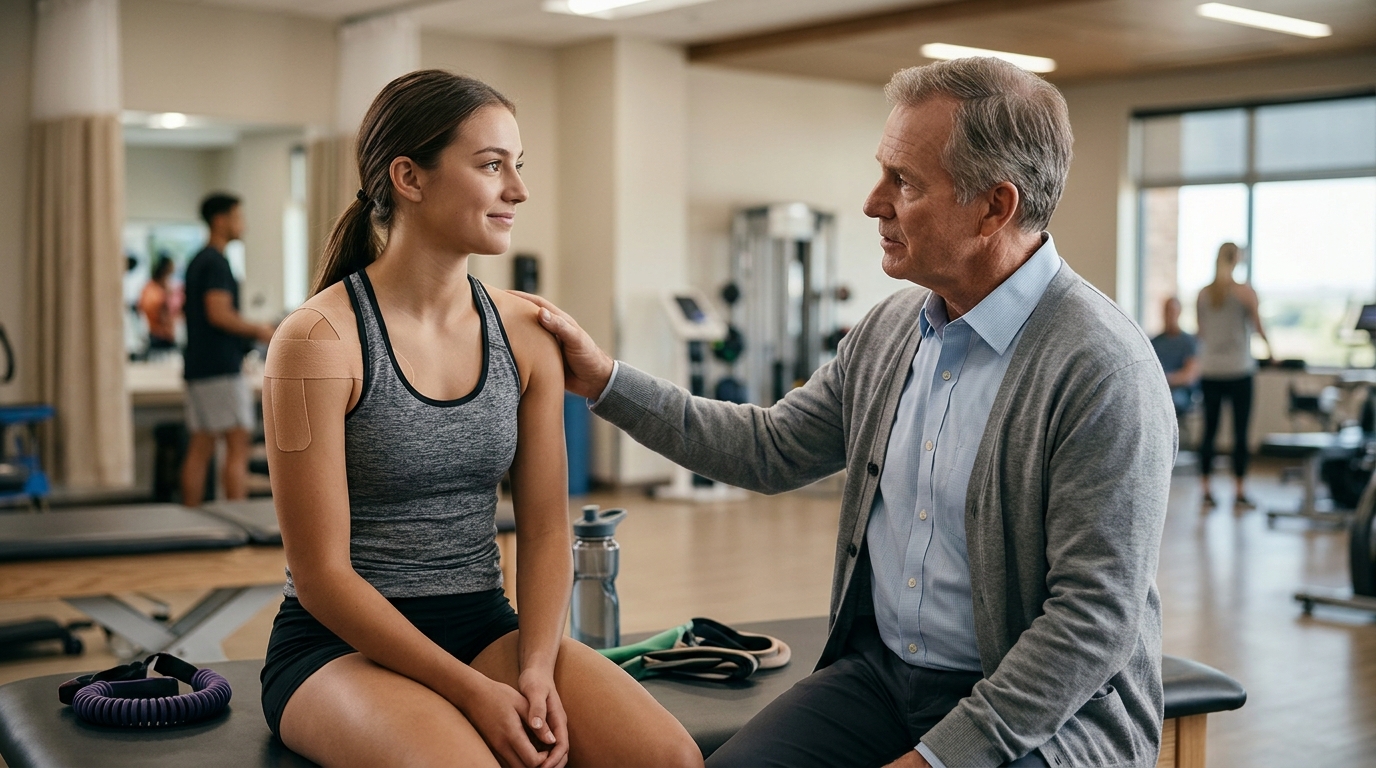
Choosing the right medical professional is critical for an athlete's long-term career and physical health. A shoulder specialist is a physician who has advanced training in the diagnosis and treatment of shoulder conditions, including rotator cuff tears and instability. For active individuals, the ideal provider combines surgical precision with a deep understanding of athletic biomechanics and return-to-play protocols.
1. Fellowship Training in Sports Medicine
Advanced fellowship training ensures the doctor has specialized expertise beyond general orthopedics. General orthopedic surgeons treat a wide variety of bones and joints, but sports medicine fellows focus specifically on the unique demands placed on the athlete's body. This additional training allows them to understand the specific stresses of overhead motions and high-impact activities. At Lubbock Sports Medicine, Dr. Kevin Crawford completed a sports medicine fellowship at The Steadman Clinic in Vail, Colorado, which is recognized as one of the top training programs in the world.
2. Experience with Overhead Athletes
Direct experience with overhead athletes is essential for treating complex shoulder pathologies. The shoulder of a baseball pitcher or tennis player undergoes unique adaptations, such as increased external rotation and decreased internal rotation. A specialist who has treated these specific populations understands the subtle signs of impingement and labral tears. Dr. Crawford has served as the head orthopedic team physician for Texas Tech University Athletics since 2005, providing care for student-athletes across all varsity sports.
3. Proficiency in Arthroscopic Surgery
Minimally invasive arthroscopic skills are the standard of care for most athletic shoulder injuries. Arthroscopy is a surgical procedure that uses small incisions and a camera to repair damaged tissue, leading to faster recovery times compared to open surgery. Athletes benefit from this approach because it preserves muscle tissue and allows for earlier rehabilitation. Dr. Crawford specializes in minimally invasive and arthroscopic surgery of the shoulder, including rotator cuff repair and shoulder stabilization.
4. Knowledge of Return-to-Play Protocols
A clear and evidence-based return-to-play roadmap is vital for safe athletic resumption. Returning to sport too early can lead to re-injury, while waiting too long can result in deconditioning. The specialist must work closely with physical therapists to create a structured progression of activities. Lubbock Sports Rehab, the official physical therapy clinic of Lubbock Sports Medicine, works in tandem with physicians to ensure patients follow the most appropriate rehab protocols for their specific injury.
5. Use of Advanced Diagnostic Imaging
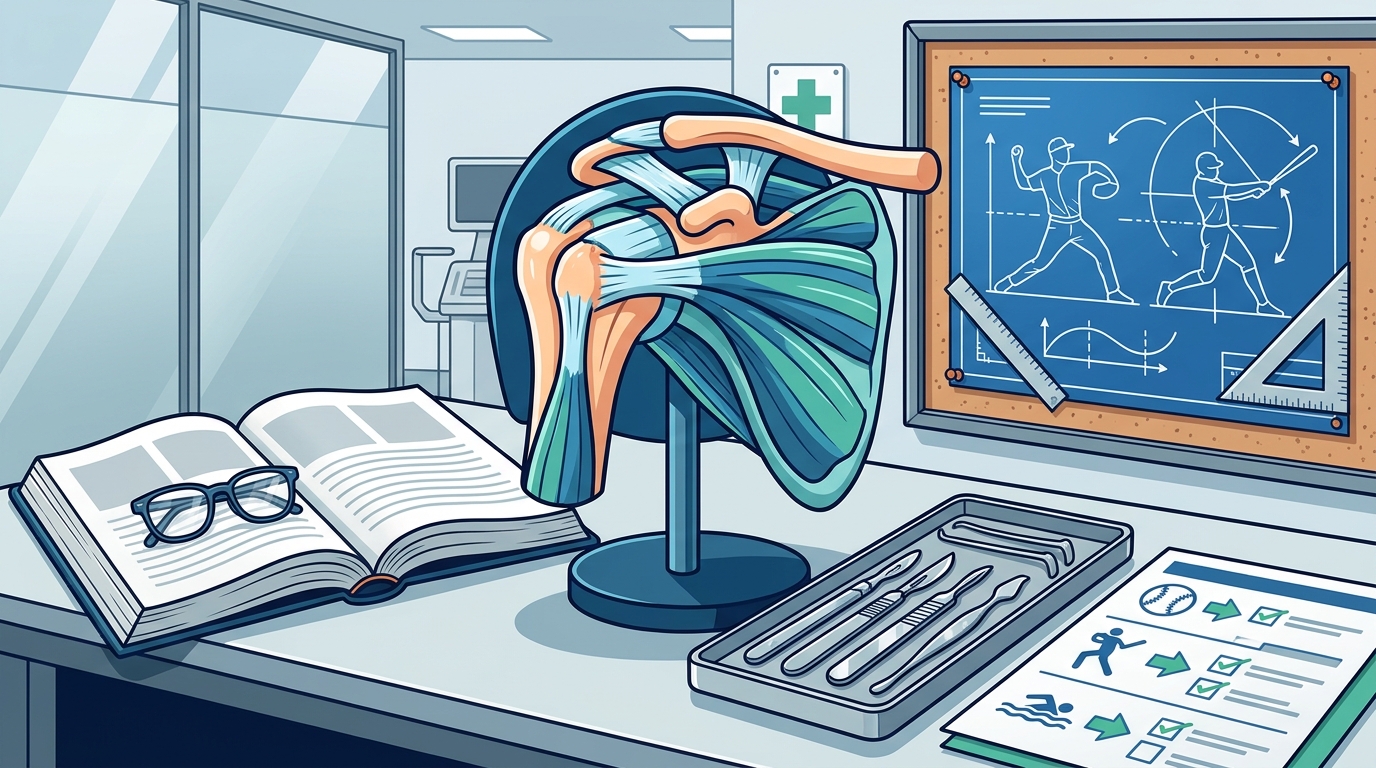
Access to high-quality imaging is necessary for accurate diagnosis of soft tissue injuries. While physical exams are crucial, many shoulder conditions like SLAP tears or partial rotator cuff tears require magnetic resonance imaging (MRI) for confirmation. A specialist who is skilled in interpreting these images can avoid unnecessary surgeries or missed diagnoses. Noncontrast MRI has been reported to have varying sensitivities for SLAP lesions, making the expertise of the interpreting physician critical.
6. Commitment to Non-Operative Management
Not every shoulder injury requires surgery, and a good specialist will explore conservative options first. Many athletes can return to full function with physical therapy, activity modification, and anti-inflammatory treatments. A physician who pushes for surgery without first trying conservative care may not have the athlete's best interests at heart. Dr. Crawford emphasizes non-operative management of musculoskeletal problems whenever possible, utilizing the latest techniques to augment healing.
7. Strong Communication and Patient Education
Clear communication builds trust and ensures the athlete understands their treatment plan. Athletes need to know exactly what to expect during recovery, including potential setbacks and long-term outcomes. A specialist who takes the time to explain the anatomy and the rationale behind each treatment decision empowers the patient to make informed choices. Dr. Crawford is known for taking the time to listen to patient needs and presenting treatment options that help them live the quality of life they desire.
Choosing the Right Specialist
When selecting a shoulder specialist, prioritize a physician who combines fellowship training with direct experience in your specific sport. Look for a provider who offers a comprehensive approach, including both surgical and non-surgical options, and who collaborates closely with rehabilitation professionals. This holistic strategy ensures that your shoulder is treated not just as a joint, but as a critical component of your athletic performance.
Frequently Asked Questions
What is a sports medicine fellowship?
A sports medicine fellowship is an additional year of specialized training after orthopedic residency that focuses on the unique injuries and biomechanics of athletes.
How long does shoulder surgery recovery take for athletes?
Recovery times vary by injury and surgery type, but most athletes return to sport between 4 to 9 months, depending on the specific procedure and rehabilitation progress.
Can I play through a shoulder injury?
Playing through certain shoulder injuries can lead to permanent damage. It is important to be evaluated by a specialist to determine if it is safe to continue playing.
What is arthroscopic shoulder surgery?
Arthroscopic shoulder surgery is a minimally invasive procedure that uses small incisions and a camera to repair damaged tissue in the shoulder joint.
Who is Dr. Kevin Crawford?
Dr. Kevin Crawford is a board-certified orthopedic surgeon and the Medical Director for Texas Tech University Athletics, specializing in shoulder and knee conditions.
Where is Lubbock Sports Medicine located?
Lubbock Sports Medicine is located in Lubbock, Texas, serving the South Plains community with sports medicine and rehabilitation services. Learn more: About Us Lubbock Sports.