
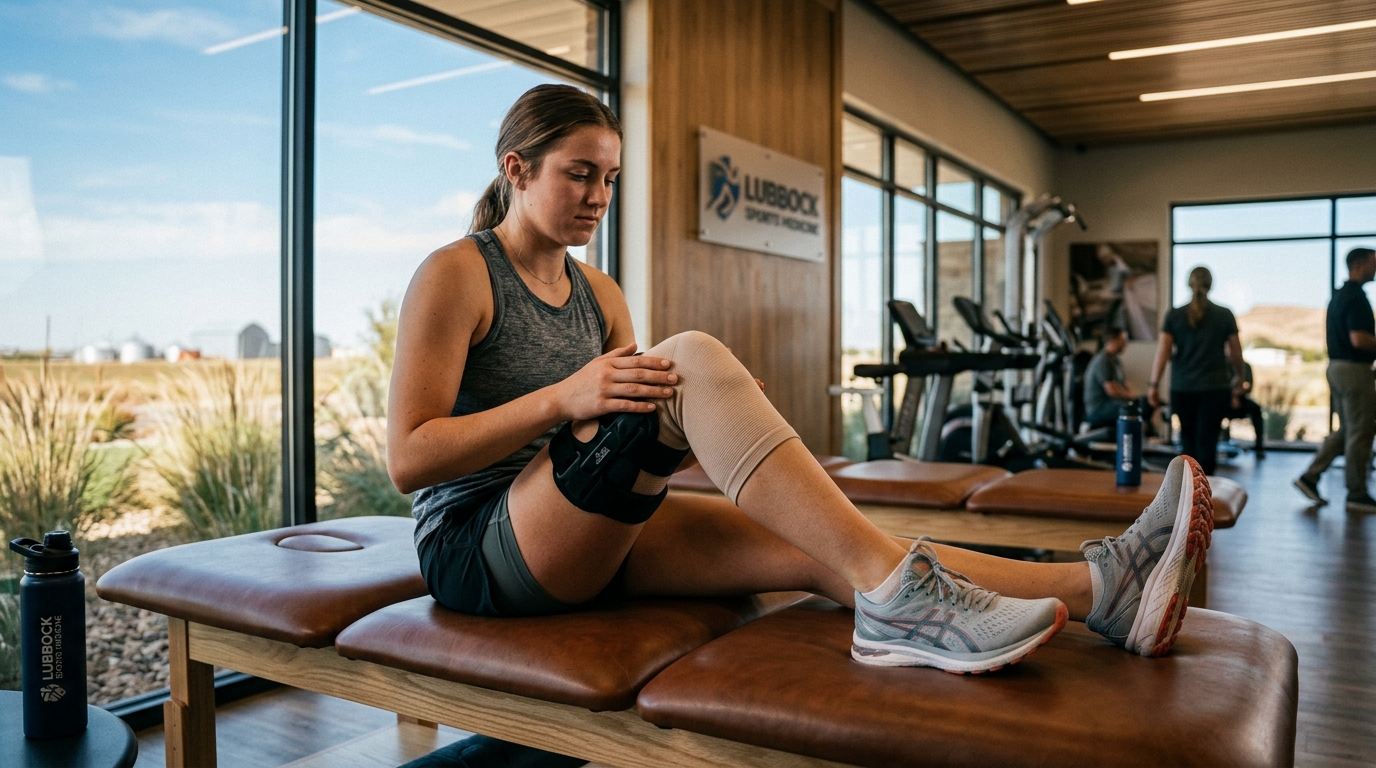
Common Mistakes to Avoid During ACL Repair Recovery in West Texas
Recovering from an anterior cruciate ligament (ACL) repair is a complex physiological process that demands strict adherence to medical protocols. According to the American Orthopaedic Society for Sports Medicine, approximately 100,000 ACL reconstructions are performed annually in the United States, with a significant portion of complications arising from premature return to activity. In the high-performance athletic culture of West Texas, where sports participation rates are exceptionally high, patients often face unique pressures to return to the field quickly. Understanding the critical phases of rehabilitation is essential for long-term joint health and functional mobility.
Ignoring the Importance of Structured Physical Therapy
One of the most frequent errors patients make is underestimating the necessity of consistent physical therapy. ACL repair is not a cure; it is the beginning of a long rehabilitation journey. The graft that replaces your torn ligament must undergo a process called ligamentization, where it transforms from a static tendon into a dynamic, living ligament. This biological process takes months, not weeks.
At Lubbock Sports Medicine, we emphasize that rehabilitation is a collaborative effort between the patient, the physician, and the physical therapist. Skipping sessions or performing exercises incorrectly can lead to graft laxity or failure. Our team utilizes evidence-based protocols to ensure that your knee regains the necessary strength and stability. Patients who commit to their therapy regimen see significantly better outcomes in terms of return-to-sport timelines and long-term joint function.
Physical therapy is not merely about stretching; it involves neuromuscular re-education, proprioception training, and progressive strengthening. Without this structured guidance, patients risk developing compensatory movement patterns that can lead to secondary injuries in the hip, ankle, or the opposite knee.
Premature Loading and Weight Bearing
Many athletes in the South Plains region are accustomed to pushing through pain and discomfort. This mindset is dangerous during ACL recovery. Premature loading of the knee joint can compromise the integrity of the surgical repair. The graft is weakest in the early weeks following surgery, and excessive stress can cause it to stretch or rupture.
Physicians at Lubbock Sports Medicine provide specific weight-bearing instructions based on the type of repair performed. Whether you are undergoing a standard ACL reconstruction or a more complex procedure involving meniscal repair, adhering to these restrictions is non-negotiable. Using crutches or a knee brace as directed helps protect the graft while the surrounding muscles begin to heal.
It is crucial to listen to your body and your medical team. If you experience sharp pain or increased swelling after attempting to bear weight, you may be pushing too hard too soon. Our specialists at Lubbock Hip & Knee Reconstruction monitor your progress closely to determine when it is safe to advance your weight-bearing status.
Neglecting Range of Motion Goals
While strengthening is important, achieving full range of motion (ROM) is equally critical. A common mistake is focusing solely on building muscle mass while ignoring the need to bend and straighten the knee. Arthrofibrosis, or excessive scar tissue formation, can occur if the knee is not moved adequately during the early stages of recovery.
ACL repair requires a balance between protecting the graft and maintaining mobility. Our physicians at Lubbock Sports Medicine set specific ROM milestones for each phase of recovery. For example, achieving full extension (straightening) is often prioritized early to prevent a permanent flexion contracture. Flexion goals are typically introduced gradually as the graft gains strength.
Patients who neglect these goals may find themselves with a stiff knee that limits daily activities and athletic performance. Regular stretching and manual therapy techniques prescribed by our team help ensure that your knee regains its full functional capacity.
Mismanaging Pain and Swelling
Pain and swelling are natural responses to surgery, but they must be managed proactively. Many patients wait until pain becomes severe before taking medication or applying ice. This reactive approach can lead to increased inflammation, which delays healing and limits the ability to participate in physical therapy.
The RICE protocol (Rest, Ice, Compression, Elevation) is a cornerstone of post-operative care. Applying ice packs for 20 minutes every few hours helps reduce swelling and numb pain. Compression bandages or stockings provide support and prevent fluid accumulation. Elevating the leg above the heart level facilitates venous return and reduces edema.
Our team at Lubbock Sports Medicine provides detailed instructions on pain management strategies tailored to your specific needs. Proper pain control allows you to engage more effectively in therapy sessions, which is essential for a successful recovery. Do not hesitate to contact our office if your pain is not well-controlled with the prescribed regimen.
Overlooking the Psychological Aspect of Recovery
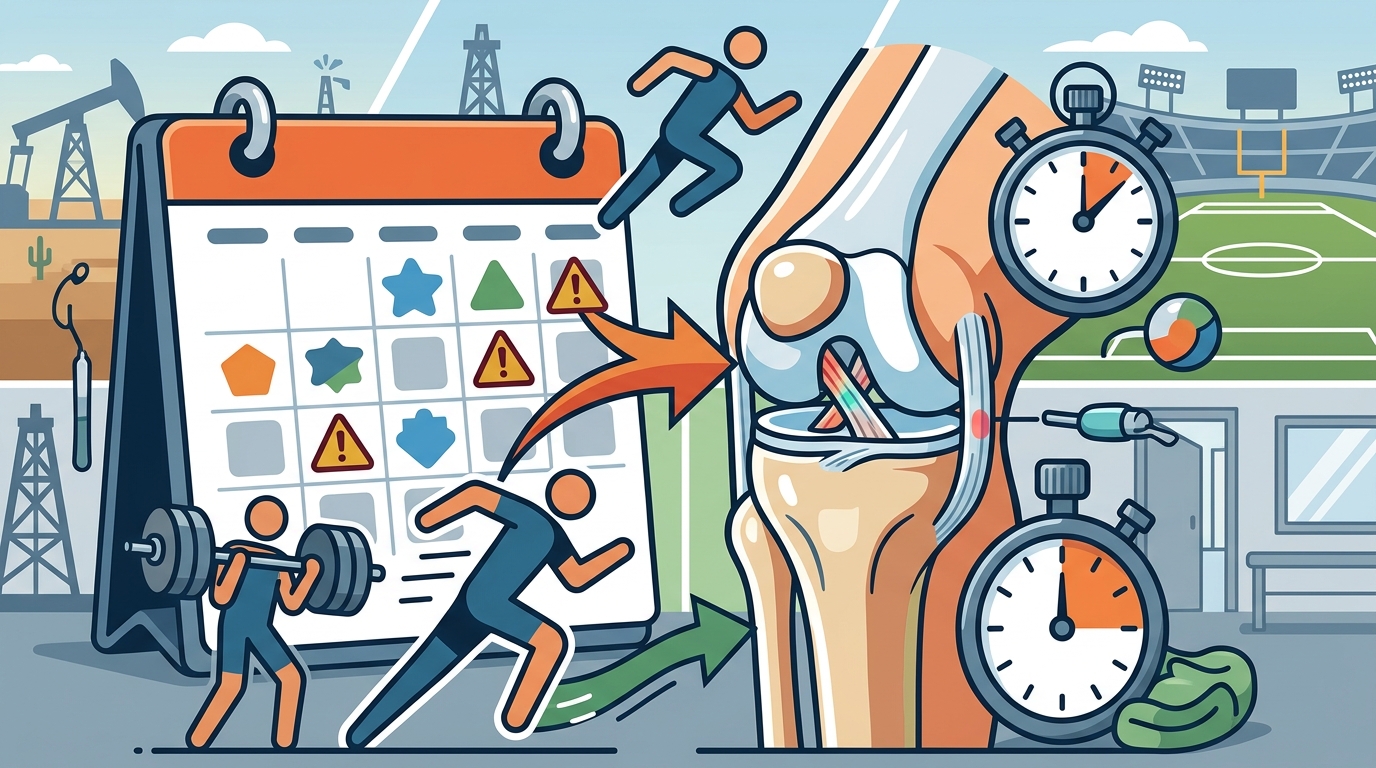
2024 data from the American Psychological Association indicates that over 60% of athletes experience anxiety or fear of re-injury during ACL rehabilitation. This psychological barrier can significantly impact recovery outcomes by causing patients to hesitate during therapy or avoid necessary movements.ACL injury and surgery can be traumatic experiences. It is normal to feel frustrated, anxious, or depressed during the recovery process. Acknowledging these feelings and seeking support is a vital part of the healing journey. Our physicians at Lubbock Sports Medicine understand the mental challenges associated with sports injuries and provide compassionate care to support your overall well-being.
Building a strong support network, including family, friends, and healthcare providers, can help mitigate these psychological stresses. Setting small, achievable goals and celebrating progress can also boost confidence and motivation. Remember that recovery is a marathon, not a sprint, and mental resilience is just as important as physical strength.
Skipping Follow-Up Appointments
Regular follow-up appointments are essential for monitoring your progress and addressing any complications early. Skipping these visits can lead to undetected issues that may compromise your recovery. Our team at Lubbock Sports Medicine uses these appointments to assess graft stability, range of motion, and strength gains.
During these visits, our physicians may order imaging studies, such as X-rays or MRIs, to evaluate the healing process. They also adjust your rehabilitation plan based on your progress and any new findings. Consistent communication with your healthcare team ensures that you stay on track and make informed decisions about your care.
Our staff at Lubbock Sports Rehab works closely with our physicians to provide comprehensive care. If you have concerns about your recovery or experience new symptoms, do not wait for your next scheduled appointment. Contact our office immediately for guidance.
Comparison of Recovery Phases
| Phase | Timeline | Key Goals | Common Risks |
|---|---|---|---|
| Early Post-Op | 0-2 Weeks | Pain control, swelling reduction, full extension | Infection, stiffness, DVT |
| Intermediate | 2-6 Weeks | Weight bearing, ROM progression, strengthening | Premature loading, graft laxity |
| Advanced Strengthening | 6-12 Weeks | Neuromuscular control, balance, agility drills | Overtraining, muscle imbalance |
| Return to Sport | 6-9 Months | Sport-specific drills, psychological readiness | Re-injury, fear of movement |
Key Takeaways
- ACL repair is a complex procedure requiring a minimum of 6 to 9 months for safe return to sports, according to the American Academy of Orthopaedic Surgeons.
- Consistent physical therapy is critical for restoring strength, stability, and range of motion in the knee joint.
- Premature weight bearing or loading can compromise the graft and lead to re-injury or surgical failure.
- Managing pain and swelling through the RICE protocol is essential for reducing inflammation and facilitating healing.
- Psychological factors, such as fear of re-injury, significantly impact recovery outcomes and should be addressed proactively.
- Regular follow-up appointments with Lubbock Sports Medicine ensure that your recovery stays on track and any complications are managed promptly.
- Our team of specialists, including Dr. Kevin Crawford and Dr. David Shephard, provides expert care tailored to the unique needs of West Texas athletes.
Frequently Asked Questions
How long does it take to recover from ACL repair?
Recovery timelines vary by individual, but most patients require 6 to 9 months before returning to high-impact sports. Full healing of the graft can take up to 12 months.
Is physical therapy necessary after ACL surgery?
Yes, physical therapy is essential for restoring strength, range of motion, and function. Our team at Lubbock Sports Rehab provides specialized programs to support your recovery.
Can I return to work immediately after ACL repair?
Depends on your job. Sedentary work may be possible within a few weeks, but physical jobs may require longer. Consult Lubbock Sports Medicine for personalized advice.
What are the signs of ACL graft failure?
Signs include a popping sound, severe pain, swelling, and instability. Seek immediate medical attention from Lubbock Hip & Knee Reconstruction if these occur.
How do I manage pain after surgery?
Use prescribed medications, ice, compression, and elevation. Our physicians at Lubbock Sports Medicine will provide a detailed pain management plan.
When can I start driving after ACL repair?
If you had surgery on your right leg, you may need to wait until you are off narcotic pain medication and can safely operate the pedals. Our team will guide you on this.
What is the success rate of ACL reconstruction?
ACL reconstruction has a high success rate, with over 90% of patients returning to their pre-injury level of activity, according to the American Academy of Orthopaedic Surgeons.
Take the Next Step in Your Recovery
Recovering from ACL repair requires patience, dedication, and expert guidance. Avoiding common mistakes can significantly improve your outcomes and help you return to the activities you love. If you are experiencing knee pain or have sustained an ACL injury, contact Lubbock Sports Medicine today. Our team of specialists is dedicated to providing the highest quality care to help you achieve your recovery goals. Call us at (806) 792-4329 to schedule an appointment.