
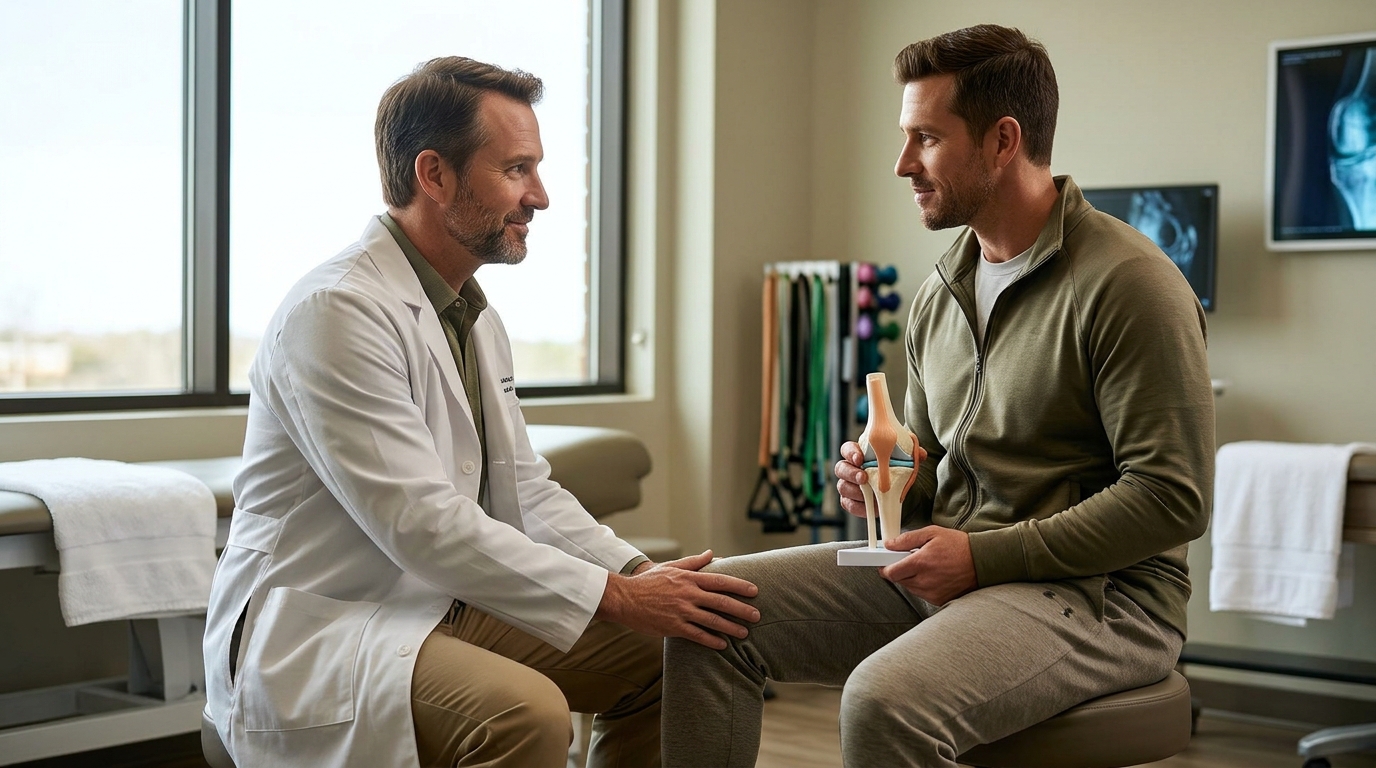
When a meniscus tear occurs, the primary goal is to restore joint stability and reduce pain. Sports medicine doctors are orthopedic specialists who focus on non-surgical and surgical management of musculoskeletal injuries. At Lubbock Sports Medicine, physicians like Dr. Kevin Crawford provide advanced care for knee conditions, including meniscus repairs. Understanding the specific expertise of these specialists helps patients make informed decisions about their recovery path.
Understanding Sports Medicine Specialization
Sports medicine is a medical specialty that focuses on the prevention, diagnosis, and treatment of musculoskeletal injuries. Unlike general orthopedic surgeons who may treat all bones and joints, sports medicine physicians often undergo additional fellowship training in specific areas like the knee or shoulder. This specialized training allows them to address the unique biomechanical demands placed on athletes and active individuals. For example, Dr. Kevin Crawford, the Medical Director at Lubbock Sports Medicine, completed a sports medicine fellowship at The Steadman Clinic in Vail, Colorado. This background provides deep expertise in arthroscopic techniques and joint preservation.
The Diagnostic Approach to Meniscus Tears
Accurate diagnosis is the foundation of effective meniscus treatment. Sports medicine doctors use a combination of physical examination and advanced imaging to determine the type and severity of the tear. A meniscus tear is a damage to the C-shaped cartilage that cushions the knee joint. Physicians look for specific signs such as joint locking, swelling, or instability during the physical exam. Imaging, particularly MRI, is then used to visualize the tear and assess the surrounding ligaments. Dr. Crawford emphasizes the importance of correlating clinical findings with imaging results to avoid unnecessary procedures. This thorough diagnostic process ensures that the treatment plan matches the actual injury.
Treatment Options: Surgery vs. Conservative Care
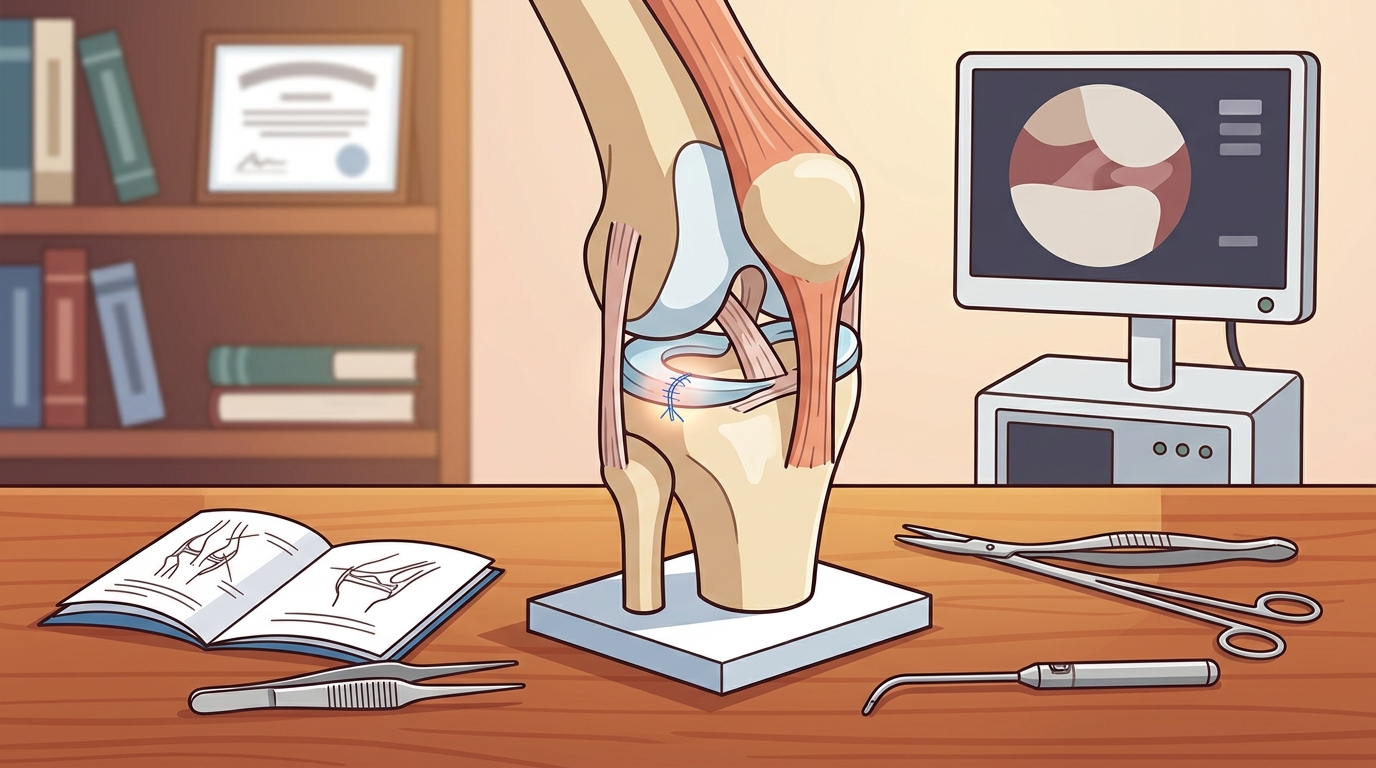
Not all meniscus tears require surgery. Sports medicine doctors evaluate the location, size, and chronicity of the tear to determine the best course of action. Conservative management is often the first line of defense for stable tears. This approach includes rest, ice, compression, and elevation, along with physical therapy to strengthen the surrounding muscles. For unstable tears or those that cause mechanical symptoms like locking, arthroscopic surgery may be recommended. Dr. Crawford utilizes minimally invasive arthroscopic techniques to repair or remove damaged meniscus tissue. He also employs biologics such as platelet-rich plasma (PRP) to support healing in select cases. The decision between surgery and conservative care is highly individualized and depends on the patient's activity level and goals.
The Role of Rehabilitation in Recovery
Rehabilitation is a critical component of meniscus tear recovery, regardless of whether surgery is performed. Physical therapy helps restore range of motion, strength, and functional stability to the knee. At Lubbock Sports Rehab, the official physical therapy clinic of Lubbock Sports Medicine, therapists work closely with the surgical team. This integrated approach ensures that the rehab protocol aligns with the physician's treatment plan. The staff at Lubbock Sports Rehab has over 80 years of combined experience in physical therapy and athletic training. They are familiar with specific rehab protocols for meniscus repairs and can guide patients through a safe return to activity. Effective communication between the doctor and the therapist is key to a successful outcome.
Choosing the Right Provider in Lubbock
Selecting a sports medicine doctor requires looking at their specific training and experience with knee injuries. Patients should seek providers who have fellowship training in sports medicine and a focus on arthroscopic surgery. Dr. Kevin Crawford has served as the Head Orthopedic Team Physician for Texas Tech University Athletics since 2005. This role involves treating elite student-athletes across all varsity sports, providing extensive experience with high-level knee injuries. He is also a board-certified orthopedic surgeon with a subspecialty certificate in sports medicine. When choosing a provider, patients should consider the doctor's approach to care, their communication style, and their availability for follow-up. Lubbock Sports Medicine offers a team of experienced physicians who are committed to providing the latest treatment options for orthopedic injuries.
Key Takeaways
- Sports medicine doctors are orthopedic specialists with additional fellowship training in musculoskeletal injuries.
- Accurate diagnosis involves both physical examination and advanced imaging like MRI.
- Conservative treatment is often effective for stable meniscus tears, while surgery is reserved for unstable or mechanical tears.
- Minimally invasive arthroscopic surgery is the standard for surgical meniscus repair.
- Integrated rehabilitation with a specialized physical therapy clinic is crucial for a successful return to activity.
- Dr. Kevin Crawford brings extensive experience from his role as a team physician for Texas Tech Athletics.
- Choosing a provider with specific sports medicine fellowship training ensures access to advanced treatment options.
Frequently Asked Questions
What is a sports medicine doctor?
A sports medicine doctor is an orthopedic surgeon or physician who has completed additional fellowship training in the treatment of musculoskeletal injuries, particularly those affecting athletes and active individuals.
Do all meniscus tears require surgery?
No, many meniscus tears can be treated with conservative care such as physical therapy and rest. Surgery is typically recommended for tears that cause mechanical symptoms like locking or instability.
Who treats meniscus tears in Lubbock?
Lubbock Sports Medicine provides comprehensive care for meniscus tears. Dr. Kevin Crawford and other board-certified orthopedic surgeons at the clinic specialize in knee injuries and arthroscopic surgery.
What is arthroscopic surgery for a meniscus tear?
Arthroscopic surgery is a minimally invasive procedure where a small camera and instruments are used to repair or remove damaged meniscus tissue. It allows for faster recovery compared to open surgery.
How long does recovery take after meniscus surgery?
Recovery time varies depending on the type of surgery and the individual's health. Most patients can return to light activities within a few weeks, but full return to sports may take several months.
Does Lubbock Sports Medicine offer physical therapy?
Yes, Lubbock Sports Rehab is the official physical therapy clinic of Lubbock Sports Medicine. They provide specialized rehabilitation services to support recovery from orthopedic injuries.
Conclusion
Understanding the role of sports medicine doctors is essential for patients dealing with meniscus tears. These specialists bring advanced training and experience to the table, ensuring that patients receive the most appropriate care. At Lubbock Sports Medicine, the team is dedicated to providing the latest treatment options for orthopedic injuries. To schedule an appointment or learn more about our services, please contact Lubbock Sports Medicine.