
Who Treats Meniscus Tears in Lubbock, TX?
Meniscus tears are common knee injuries that can sideline athletes and active adults alike. In Lubbock, TX, Lubbock Sports Medicine provides specialized care for these conditions through a team of board-certified orthopedic surgeons and advanced practice providers. This guide covers the specialists available, the diagnostic and treatment options offered, and how to navigate your recovery process effectively.
Sports Medicine Specialists
Choosing the right provider is the first critical step in managing a meniscus tear. A sports medicine specialist is a physician who has completed additional fellowship training focused on the diagnosis and treatment of musculoskeletal injuries, particularly those affecting athletes and active individuals. At Lubbock Sports Medicine, the team includes several board-certified orthopedic surgeons with specific expertise in knee pathology.
Dr. Kevin Crawford
Dr. Kevin Crawford serves as the Medical Director and Head Orthopedic Team Physician for Texas Tech University Athletics. He is a board-certified orthopedic surgeon who specializes in minimally invasive and arthroscopic surgery of the shoulder, knee, and elbow. His practice includes ACL reconstruction and cartilage restoration, making him a strong candidate for complex knee injuries involving the meniscus. Dr. Crawford has been named to the Texas Super Doctors list every year since 2009, reflecting his standing in the local medical community.
Dr. Joel Campbell
Dr. Joel Campbell is an orthopedic sports medicine surgeon who specializes in arthroscopic and reconstructive surgery of the shoulder, knee, and elbow. He received advanced training in knee preservation and cartilage restoration during his fellowship at the Steadman Hawkins Clinic in Greenville, SC. Dr. Campbell’s focus on knee preservation makes him well-suited for patients seeking to maintain joint integrity while addressing meniscal damage.
Dr. Stephen Flores
Dr. Stephen Flores is a board-certified Orthopedic Surgeon with fellowship training in Sports Medicine. He serves as the head Orthopedic Consultant for Lubbock Independent School District Athletics and the head team Orthopedic Physician for Lubbock Christian University Athletics. Dr. Flores evaluates and treats general injuries and musculoskeletal conditions, including tendon, ligament, and muscular injuries, providing comprehensive care for student-athletes and community members.
Advanced Practice Providers
In addition to surgeons, Lubbock Sports Medicine employs a team of Physician Assistants (PAs) and Nurse Practitioners (NPs) who work closely with the physicians. Providers such as Stan Kotara, PA-C, and Jordan Williams, PA-C, bring extensive experience in athletic training and orthopedic care. These mid-level providers are involved in all aspects of patient care, including clinical evaluations, non-operative management, and assisting in surgeries. Their presence ensures that patients have access to specialized care without always waiting for a surgeon’s schedule.
The Diagnostic Process
Accurate diagnosis is essential for determining the appropriate treatment plan. A meniscus tear is a rupture in the C-shaped cartilage that cushions the knee joint. Symptoms often include pain, swelling, stiffness, and a sensation of the knee locking or catching. The diagnostic process at Lubbock Sports Medicine typically begins with a thorough physical examination.
Physical Examination
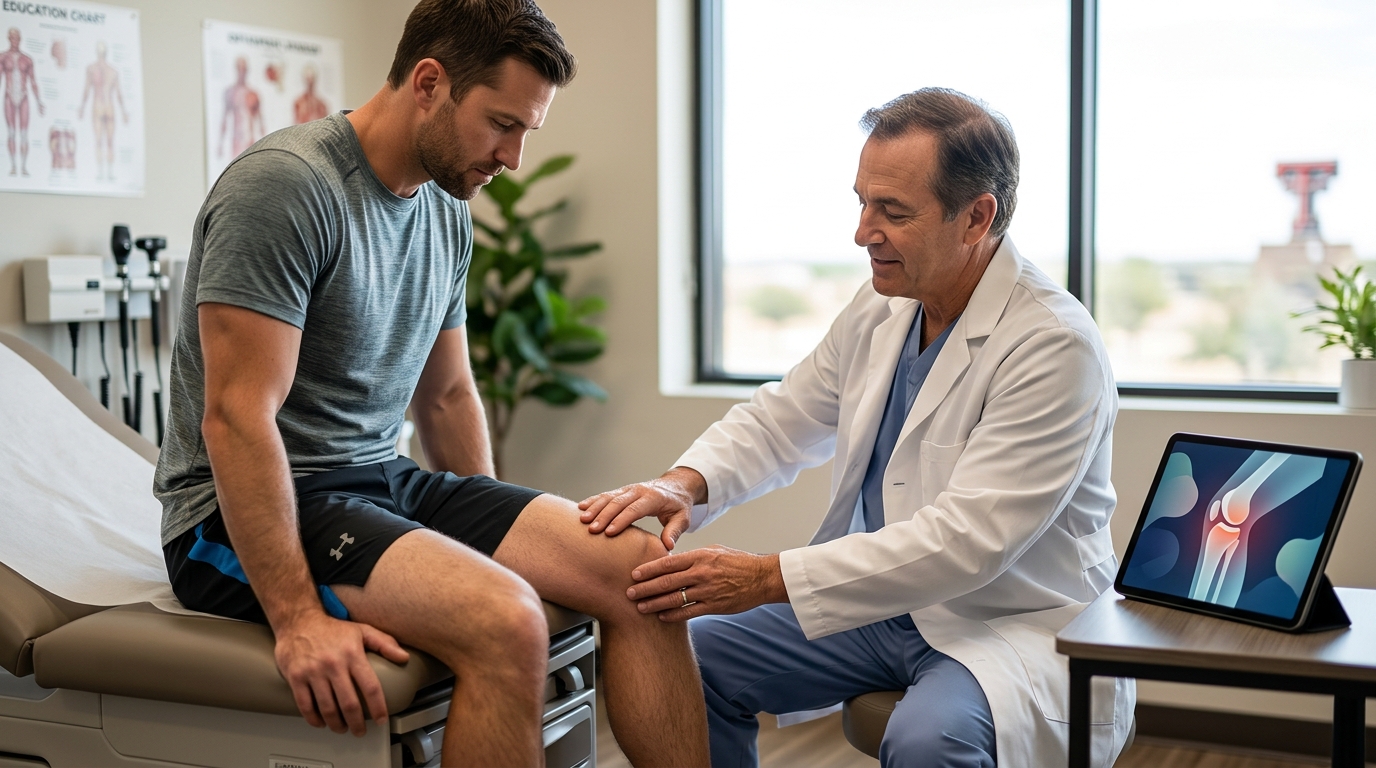
The physician will assess the range of motion, stability, and specific signs of meniscal injury. Specific maneuvers, such as the McMurray test, are used to reproduce symptoms and identify the location and type of tear. The history of the injury, including how it occurred and whether there was a twisting motion, also plays a crucial role in the diagnosis.
Imaging Studies
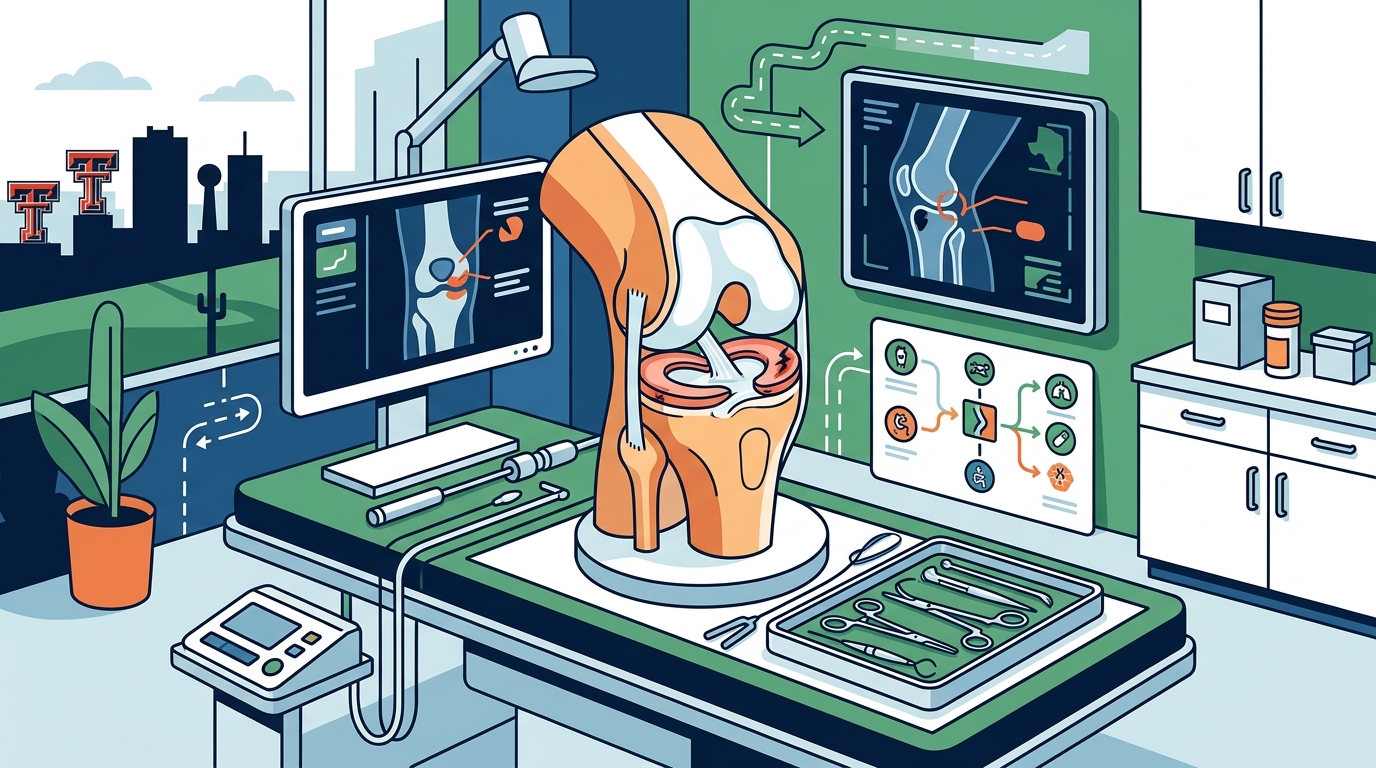
While physical examination is the primary diagnostic tool, imaging studies are often used to confirm the diagnosis and assess the extent of the injury. X-rays may be ordered to rule out other conditions, such as fractures or arthritis. Magnetic Resonance Imaging (MRI) is the gold standard for visualizing soft tissue structures like the meniscus. Lubbock Sports Medicine is equipped with x-ray capabilities in the office to aid in proper assessment, and referrals for MRI are made when necessary to provide a clear view of the internal knee structures.
Treatment Options: Surgery vs. Conservative Care
Treatment for meniscus tears depends on the type, location, and severity of the tear, as well as the patient’s age and activity level. A conservative treatment plan is a non-surgical approach that focuses on managing symptoms and improving function through rest, ice, compression, elevation, and physical therapy. Many meniscus tears, particularly those in the outer