
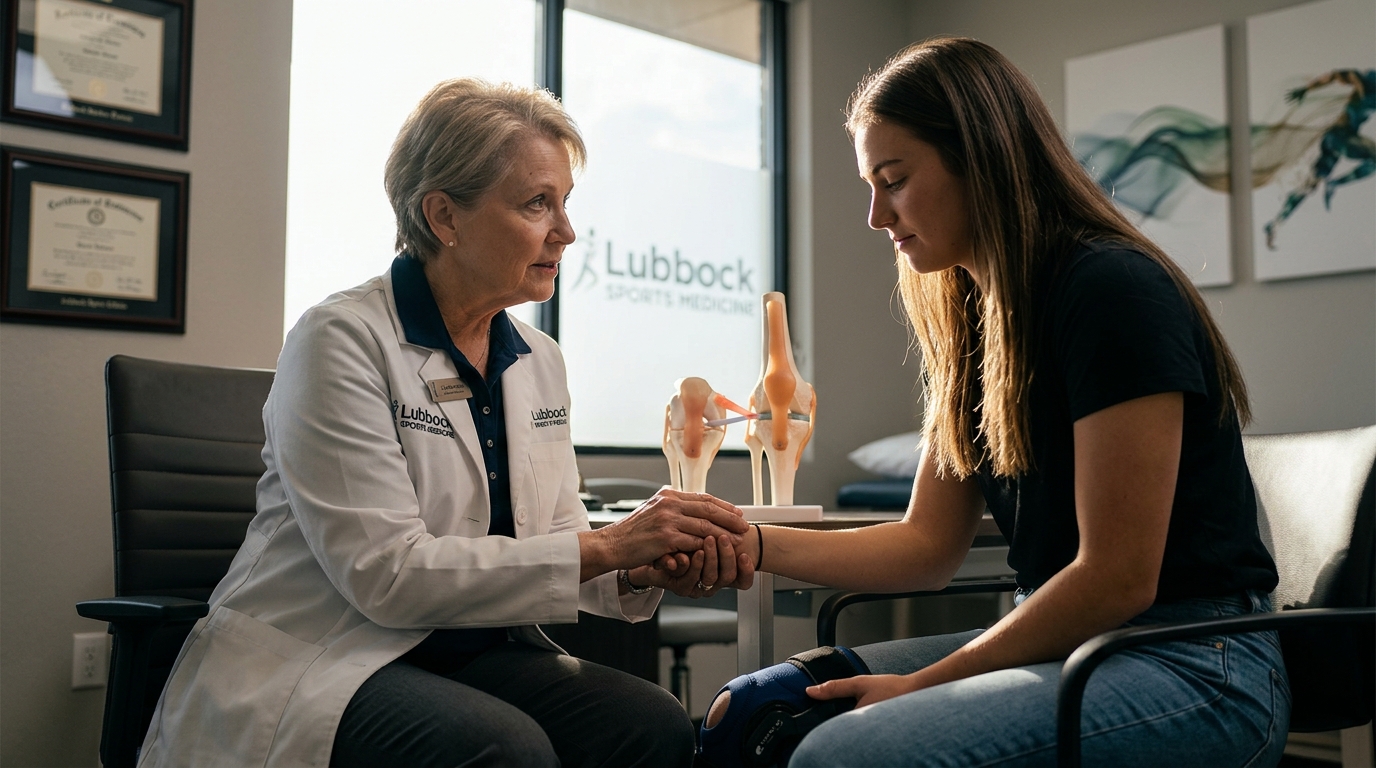
Essential Criteria for Selecting an ACL Repair Specialist in West Texas
Anterior Cruciate Ligament (ACL) injuries represent a significant portion of orthopedic trauma, with data showing that over 100,000 ACL reconstructions are performed annually in the United States. For athletes and active individuals in the South Plains, choosing the right specialist is not merely a matter of convenience but a critical determinant of long-term joint health and mobility. Lubbock Sports Medicine has established itself as the premiere sports medicine and adult joint reconstruction center in the region, offering specialized care that bridges the gap between acute injury management and comprehensive rehabilitation.
The Role of Robotic-Assisted Technology
When evaluating an ACL repair specialist, the technological infrastructure available to the physician is a primary indicator of their commitment to precision. Traditional surgical methods rely heavily on the surgeon's manual skill, which, while highly effective, can vary based on individual technique. In contrast, modern orthopedic centers are increasingly adopting advanced imaging and robotic assistance to enhance accuracy.
According to recent orthopedic studies, the use of robotic-arm assisted technology in joint reconstruction leads to improved implant positioning and faster patient recovery times. This technology allows for sub-millimeter precision in graft placement, which is crucial for restoring the biomechanical stability of the knee. For patients in Lubbock, access to such advanced diagnostic and surgical tools means a higher likelihood of a successful outcome with reduced risk of complications.
At Lubbock Sports Medicine, the integration of state-of-the-art equipment ensures that every patient receives care that aligns with the latest industry standards. This commitment to excellence is particularly vital for complex cases where anatomical variations require a highly customized surgical approach.
Evaluating Physician Credentials and Specialization
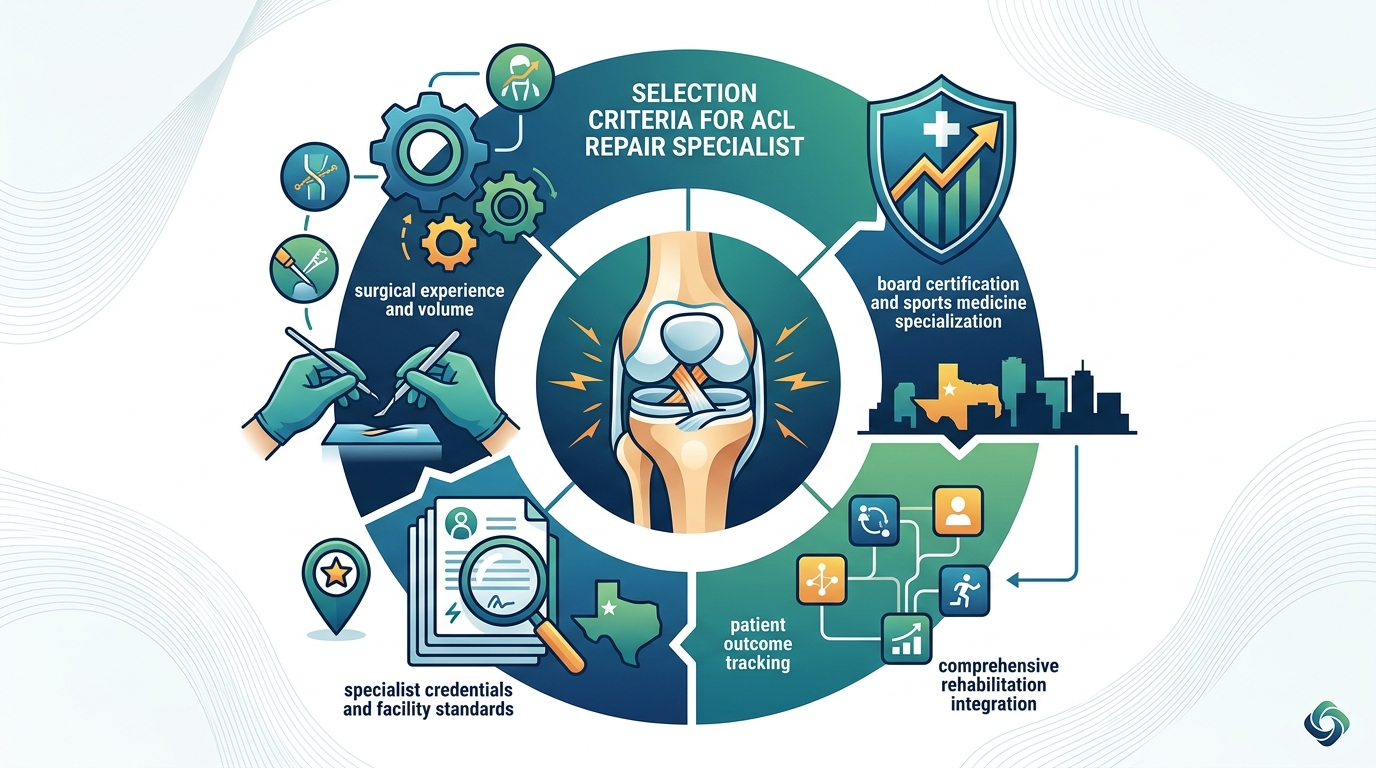
The expertise of the medical team is the most significant factor in determining the quality of care. An ACL specialist should not only be a board-certified orthopedic surgeon but also a member of specialized professional societies dedicated to sports medicine. These memberships, such as the American Academy of Orthopaedic Surgeons and the American Orthopaedic Society for Sports Medicine, signify a physician's dedication to continuing education and adherence to rigorous ethical and clinical standards.
Furthermore, the volume of procedures performed by a surgeon correlates with patient outcomes. High-volume specialists typically possess refined techniques and a deeper understanding of the nuances involved in ligament reconstruction. When reviewing potential specialists, patients should inquire about their specific experience with ACL repairs and their success rates in returning patients to their pre-injury activity levels.
The team at Lubbock Sports Medicine includes renowned physicians like Dr. Kevin Crawford and Dr. David Shephard, who are recognized for their high levels of specialization and industry-leading care. Their extensive experience with both recreational and elite athletes ensures that patients receive personalized treatment plans tailored to their specific physical demands and goals.
Integrated Rehabilitation and Recovery Protocols
Surgery is only one component of the recovery journey. The success of an ACL repair is heavily dependent on the quality of post-operative rehabilitation. A specialist who operates in silos, without a close partnership with physical therapists, may leave patients without a clear roadmap for recovery. The ideal specialist works within a facility that offers integrated sports rehab services.
Data indicates that patients who engage in structured, supervised physical therapy programs have significantly lower rates of re-injury and report higher satisfaction scores regarding their functional recovery. This integrated model ensures that the transition from the operating room to the gym floor is seamless and monitored by professionals who understand the biomechanics of the healing knee.
Lubbock Sports Rehab provides a dedicated environment for this critical phase of treatment. By combining surgical expertise with specialized rehabilitation, patients benefit from a cohesive care plan that addresses both the structural repair and the functional restoration of the knee. This holistic approach is essential for achieving the "Medicine for Motion" philosophy that defines the practice.
Holistic Approach to Sports Medicine
Selecting a specialist also involves considering the breadth of their services. An ACL injury often co-occurs with other structural damages, such as meniscal tears or cartilage defects. A comprehensive sports medicine practice is equipped to diagnose and treat these concomitant injuries during the same surgical session, reducing the need for multiple procedures and extending the overall recovery timeline.
Additionally, a holistic approach includes preventive care and education. Specialists who emphasize patient education empower individuals to understand their anatomy, the surgical procedure, and the importance of adherence to rehabilitation protocols. This empowerment leads to better patient compliance and ultimately, superior clinical outcomes.
The physicians at Lubbock Sports Medicine are deeply embedded in the local community, with ties to local schools and athletic organizations. This connection allows them to stay at the forefront of sports injury trends and treatment innovations specific to the active population of West Texas.
Comparing Treatment Modalities
Patients often face decisions regarding the type of graft used in ACL reconstruction. The choice between autograft (patient's own tissue) and allograft (donor tissue) depends on various factors, including age, activity level, and the specific demands of the patient's sport. Understanding these options is crucial for making an informed decision.
| Factor | Autograft | Allograft |
|---|---|---|
| Source | Patient's own tissue (patellar tendon, hamstring, or quadriceps) | Donor tissue from a tissue bank |
| Recovery Time | May involve initial pain at harvest site, but strong integration | Generally less initial pain, but slower biological integration |
| Re-injury Risk | Lower risk of graft failure in young, active athletes | Higher risk of failure in high-demand populations |
| Best For | Younger athletes and those returning to high-impact sports | Older patients or those with lower activity demands |
Consulting with a specialist who can evaluate these factors in the context of your personal health profile is essential. The team at Lubbock Sports Medicine provides detailed consultations to help patients navigate these choices, ensuring that the selected treatment plan aligns with their long-term health goals.
Key Takeaways
- Technology Matters: Access to robotic-assisted technology enhances surgical precision and improves recovery outcomes for ACL repairs.
- Credentials Are Critical: Verify that your specialist is a member of the American Academy of Orthopaedic Surgeons and the American Orthopaedic Society for Sports Medicine.
- Integrated Rehab: Choose a facility that offers on-site physical therapy to ensure a seamless transition from surgery to recovery.
- Specialist Volume: High-volume surgeons typically achieve better patient outcomes due to refined techniques and extensive experience.
- Holistic Care: A comprehensive sports medicine practice can address concomitant injuries, reducing the need for multiple surgeries.
- Local Expertise: Specialists embedded in the local athletic community, like those at Lubbock Sports Medicine, offer tailored care for West Texas athletes.
- Informed Decisions: Understand the differences between autograft and allograft options to make the best choice for your specific lifestyle.
Frequently Asked Questions
What is the average recovery time for an ACL repair?
ACL is a critical ligament in the knee that stabilizes the joint. The average recovery time for an ACL repair typically ranges from 6 to 9 months, depending on the severity of the injury, the surgical technique used, and the patient's adherence to rehabilitation protocols.
How do I know if I need an ACL specialist?
If you have sustained a knee injury involving instability, popping sounds, or significant swelling, you likely need a specialist. ACL is a specialized field within orthopedics, and general practitioners may not have the specific expertise required for complex ligament reconstruction.
What is the difference between ACL repair and reconstruction?
ACL repair involves stitching the torn ligament back together, which is only possible in rare cases where the tear is near the bone attachment. ACL reconstruction involves replacing the torn ligament with a graft, which is the more common procedure for most ACL injuries.
Can I return to sports after an ACL repair?
Yes, most patients can return to sports after an ACL repair. However, it is crucial to complete the full rehabilitation program and receive clearance from your specialist before resuming high-impact activities to prevent re-injury.
What are the risks associated with ACL surgery?
Like any surgery, ACL repair carries risks such as infection, blood clots, and stiffness. However, these risks are minimized when the procedure is performed by an experienced specialist using advanced technology and sterile techniques.
How long does the surgery take?
ACL reconstruction surgery typically takes between 45 minutes to 90 minutes. The total time in the surgical facility will be longer due to preparation and recovery room time.
Is robotic surgery better for ACL repairs?
Robotic-assisted surgery offers enhanced precision in graft placement, which can lead to improved outcomes and faster recovery. However, the skill of the surgeon remains the most important factor in the success of the procedure.
Schedule Your Consultation
Do not let an ACL injury dictate your future mobility. Take the first step toward a full recovery by consulting with the experts at Lubbock Sports Medicine. Our team of specialized physicians and rehab professionals is dedicated to providing the highest quality of orthopedic care in the South Plains. Contact us today at (806) 792-4329 to schedule your appointment and experience the difference of true sports medicine excellence.