
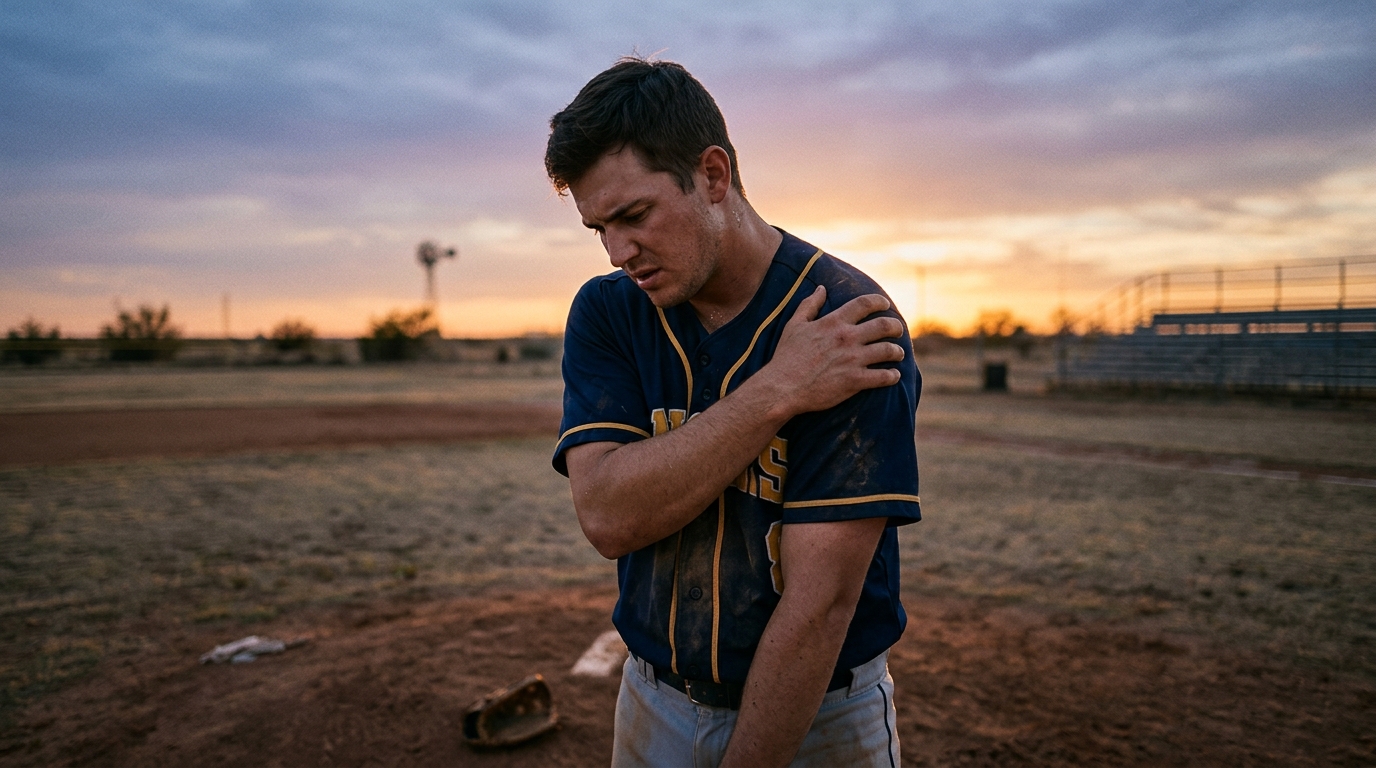
Shoulder clicking, often described medically as crepitus, is a frequent complaint among athletes who participate in overhead sports. According to recent orthopedic studies, approximately 30% of overhead athletes experience some form of shoulder instability or pain during their competitive careers. This clicking sensation is rarely just a harmless quirk. It is frequently a mechanical signal that the shoulder joint is under excessive stress or that soft tissue structures are impinging on one another. For athletes in the South Plains and beyond, understanding the biomechanical roots of this pain is the first step toward preserving long-term joint health.
Early Signs of Shoulder Impingement
Before the clicking becomes a chronic issue, athletes often experience subtle warning signs. Impingement occurs when the tendons of the rotator cuff or the bursa become compressed between the bones of the shoulder joint. This compression is often the precursor to more severe structural damage.
One of the earliest indicators is pain during the cocking phase of the throw. This is the moment when the arm is pulled back to generate maximum velocity. If you feel a sharp pinch at the front or side of the shoulder, it suggests that the humeral head is migrating too far forward. This migration places undue stress on the anterior capsule and the labrum. Ignoring this pain can lead to a cascade of inflammatory responses that stiffen the joint and reduce range of motion.
Another common early sign is a loss of internal rotation. This condition, known as glenohumeral internal rotation deficit (GIRD), is prevalent in throwers. When the back of the shoulder capsule tightens, the shoulder cannot rotate fully inward. This tightness forces the shoulder to compensate during the follow-through, increasing the risk of tearing soft tissues. Recognizing these early mechanical failures allows for timely intervention before permanent damage occurs.
Mechanical Errors in Throwing Mechanics
Throwing is a complex kinetic chain that involves the legs, hips, torso, and arm. When any link in this chain fails, the shoulder must absorb forces it was not designed to handle. Several mechanical errors are directly linked to shoulder clicking and pain.
Early trunk rotation is a primary culprit. This occurs when the hips and torso rotate forward before the arm has reached its maximum external rotation. This error forces the arm to lag behind the body, creating a "whip-like" effect that places extreme torque on the shoulder joint. The shoulder is essentially trying to catch up to the rest of the body, leading to instability and subsequent clicking.
Another critical error is late hip closure. If the hips do not rotate toward the target quickly enough, the upper body remains open. This misalignment prevents the transfer of energy from the lower body to the upper extremity. The shoulder then becomes the primary source of power, leading to overuse injuries. Proper sequencing ensures that the large muscle groups of the legs and core generate the majority of the force, sparing the delicate structures of the shoulder.
Additionally, leading with the elbow can cause significant strain. When the elbow drops below the plane of the shoulder during the cocking phase, the rotator cuff must work overtime to stabilize the joint. This position increases the risk of impingement and can lead to the clicking sensation as the tendons rub against the acromion bone. Maintaining proper elbow height is essential for protecting the shoulder joint during high-velocity movements.
The Role of Scapular Stability
The shoulder blade, or scapula, serves as the foundation for the shoulder joint. Without proper scapular stability, the humeral head cannot move correctly within the glenoid fossa. Scapular dyskinesis, or abnormal movement of the shoulder blade, is a common cause of shoulder pain in throwers.
When the scapula does not rotate and tilt properly during the throwing motion, the subacromial space narrows. This narrowing reduces the room available for the rotator cuff tendons, leading to compression and inflammation. Athletes with scapular dyskinesis often report a clicking or grating sensation during the acceleration phase of the throw.
Strengthening the muscles that control the scapula, such as the serratus anterior and lower trapezius, is crucial for prevention. These muscles help keep the scapula in the correct position against the rib cage. Weakness in these areas forces the rotator cuff to compensate, leading to fatigue and injury. Incorporating scapular stabilization exercises into your training regimen can significantly reduce the risk of shoulder clicking.
Labral Tears and the SLAP Connection
The labrum is a ring of cartilage that surrounds the socket of the shoulder joint. It acts as a seal to keep the humeral head in place and provides attachment points for the ligaments and tendons. A tear in the labrum, particularly a Superior Labrum Anterior to Posterior (SLAP) tear, is a common injury among throwers.
SLAP tears often result from repetitive overhead motion or a sudden traumatic event. The clicking sound associated with a labral tear is typically loud and distinct. It is caused by the torn piece of cartilage catching on the humeral head or other structures within the joint. This mechanical interference can also lead to a feeling of instability or "giving way" in the shoulder.
Diagnosing a labral tear requires a thorough physical examination and often imaging studies such as an MRI. Treatment options range from physical therapy to surgical repair, depending on the severity of the tear and the athlete's goals. Early diagnosis is critical to preventing further damage to the joint and ensuring a successful recovery.
Rehabilitation and Recovery Strategies
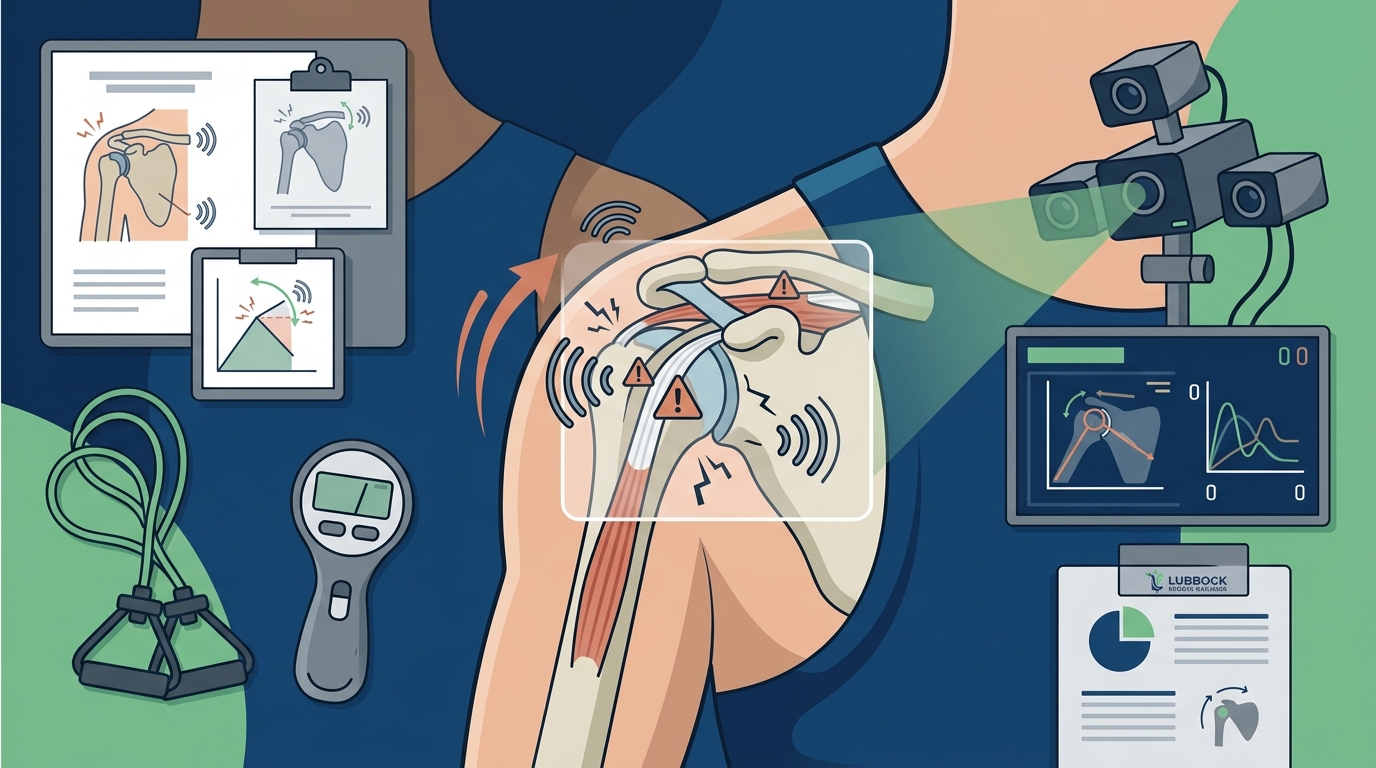
Recovering from shoulder pain and clicking requires a structured rehabilitation program. The goal is to restore range of motion, strengthen the supporting muscles, and correct any mechanical imbalances. Lubbock Sports Medicine offers specialized rehab services designed to address these specific needs.
Physical therapy typically begins with modalities to reduce pain and inflammation, such as ice, heat, and electrical stimulation. As the acute symptoms subside, the focus shifts to restoring mobility through stretching and manual therapy. This is followed by a progressive strengthening program that targets the rotator cuff and scapular stabilizers.
Neuromuscular re-education is another key component of rehabilitation. This involves retraining the muscles to fire in the correct sequence during throwing motions. Athletes work with therapists to analyze their mechanics and make necessary adjustments. This process helps prevent recurrence of the injury and improves overall performance.
At Lubbock Sports Rehab, patients benefit from a comprehensive approach that combines advanced therapeutic techniques with personalized care plans. The facility is equipped with state-of-the-art technology to monitor progress and adjust treatments as needed. This ensures that athletes return to their sport safely and effectively.
When to Seek Professional Care
If you are experiencing shoulder clicking and pain, it is important to seek professional evaluation promptly. Delaying treatment can lead to chronic issues that are more difficult to manage. At Lubbock Sports Medicine, our team of specialists is dedicated to diagnosing and treating sports-related injuries with precision.
Our physicians are members of the American Academy of Orthopaedic Surgeons and the American Orthopaedic Society for Sports Medicine. This affiliation ensures that you receive care that meets the highest standards of the medical community. We utilize advanced diagnostic tools to identify the root cause of your pain.
For those requiring surgical intervention, we offer MAKO Robotic-Arm Assisted Technology for joint reconstruction. This technology allows for greater precision in surgical procedures, leading to improved outcomes and faster recovery times. Our team is committed to helping you return to your sport with confidence.
Do not ignore the signs of shoulder distress. Contact Lubbock Sports Medicine today to schedule a consultation. Our staff is ready to help you develop a plan to get you back in the game.
Key Takeaways
- Shoulder clicking is often a sign of impingement or labral tears, not just a benign noise.
- Early trunk rotation and late hip closure are major mechanical errors that increase shoulder stress.
- Scapular dyskinesis reduces the subacromial space, leading to tendon compression.
- SLAP tears are common in throwers and often present with distinct clicking sounds.
- Rehabilitation must include neuromuscular re-education to correct throwing mechanics.
- Lubbock Sports Medicine utilizes MAKO Robotic-Arm technology for precise joint reconstruction.
- Our physicians are board-certified members of leading orthopaedic societies.
Frequently Asked Questions
What causes the clicking sound in the shoulder?
Clicking is usually caused by tendons snapping over bone structures or a piece of torn cartilage catching in the joint. It can also result from air bubbles popping in the synovial fluid, though this is less common in painful contexts.
Is shoulder clicking always a sign of injury?
No, painless clicking can be normal for some individuals. However, when accompanied by pain, weakness, or instability, it is a strong indicator of underlying pathology such as impingement or a labral tear.
How does early trunk rotation affect the shoulder?
Early trunk rotation forces the arm to lag behind the body, creating excessive torque on the shoulder joint. This misalignment increases the risk of rotator cuff strain and labral damage.
What is MAKO Robotic-Arm Assisted Technology?
MAKO is a robotic-arm assisted system used for joint replacement surgeries. It allows surgeons to create a precise 3D plan and execute the procedure with greater accuracy, leading to better implant positioning and faster recovery.
When should I see a sports medicine specialist?
You should seek care if you experience persistent pain, clicking that interferes with your activity, or a loss of range of motion. Early evaluation can prevent minor issues from becoming major injuries.
What is the role of the labrum in throwing?
The labrum deepens the shoulder socket and provides stability. In throwers, it absorbs significant force during the cocking phase. Tears in the labrum can lead to instability and pain.
How long does rehabilitation take for shoulder injuries?
Recovery time varies based on the severity of the injury. Physical therapy may take several weeks to months, while surgical recovery can take six months or longer. A structured rehab plan is essential for a full return to sport.