

Joint replacement surgery has evolved significantly over the last decade, shifting from purely manual techniques to highly precise, technology-driven interventions. Robotic-assisted surgery is a modern approach that uses computer-guided tools to help surgeons plan and execute joint replacements with greater accuracy. According to recent orthopedic studies, patients undergoing robotic-assisted procedures often experience faster recovery times and improved implant longevity compared to traditional methods. This guide explores the key differences to help South Plains residents make informed decisions about their orthopedic care.
Understanding the Technologies
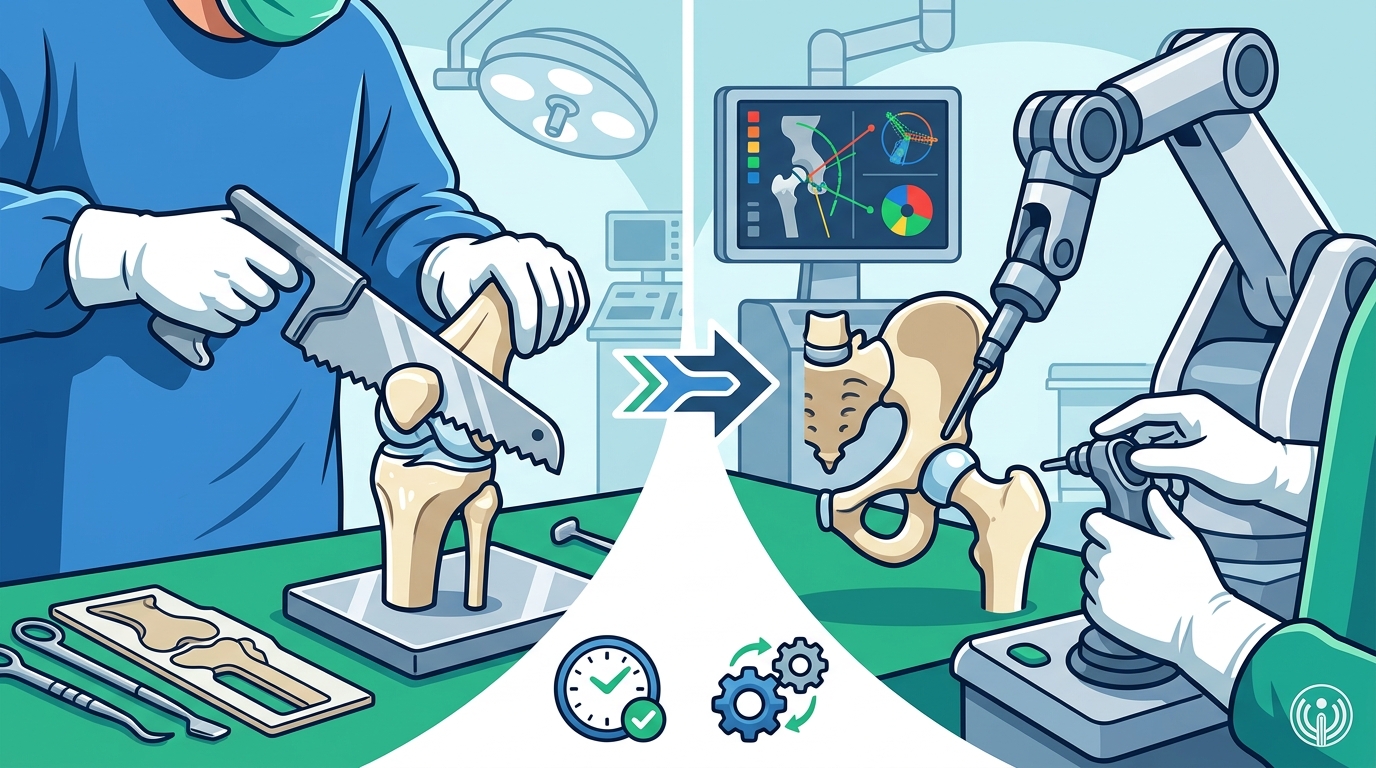
To compare these procedures effectively, we must first define the core methodologies. Traditional joint replacement is a surgical procedure where a damaged joint is removed and replaced with a prosthetic implant using manual instruments and surgical guides. Surgeons rely on their visual assessment and tactile feedback to align the bone cuts and position the implant.
In contrast, MAKO Robotic-Arm Assisted Technology is a system that combines 3D imaging from a CT scan with real-time haptic feedback. The surgeon creates a virtual plan for the surgery, and the robotic arm assists in executing that plan. The robot provides boundaries that prevent the surgical tool from cutting outside the planned area, ensuring the implant is placed exactly as designed. This technology is available at Lubbock Sports Medicine for patients seeking advanced orthopedic solutions.
The primary difference lies in the level of customization. Traditional surgery often uses standard-sized implants and generic alignment guides. Robotic assistance allows for patient-specific planning, meaning the surgical plan is tailored to the unique anatomy of the individual patient. This personalization is a critical factor in achieving optimal joint function.
Precision and Clinical Outcomes
Precision is the most significant advantage of robotic-assisted surgery. Studies indicate that robotic assistance can improve the accuracy of implant positioning by up to 90% compared to traditional manual techniques. According to the American Academy of Orthopaedic Surgeons, accurate implant alignment is crucial for the longevity of the joint replacement and the patient's overall satisfaction.
Implant Longevity
When an implant is placed with high precision, it reduces uneven wear and tear on the prosthetic components. This can lead to a longer-lasting implant, potentially delaying or eliminating the need for revision surgery. Research from Johns Hopkins Medicine suggests that precise alignment contributes to better biomechanical function, which is essential for active individuals.
Pain Management
Robotic surgery often allows for more conservative bone removal. By preserving healthy bone and soft tissue, patients may experience less post-operative pain. This is particularly important for the South Plains community, where many patients are active and value a quick return to their daily routines. According to Mayo Clinic guidelines, minimally invasive techniques can significantly reduce hospital stays and complication rates.
Recovery and Rehabilitation
Recovery is a major concern for anyone considering joint replacement. While both traditional and robotic surgeries require rehabilitation, the trajectory can differ.
Initial Recovery Phase
Patients undergoing robotic-assisted hip or knee replacement often report less pain in the first few weeks post-surgery. This is attributed to the precision of the bone cuts and the preservation of surrounding tissues. Data from the National Center for Biotechnology Information shows that reduced tissue trauma leads to lower inflammation levels, which accelerates the initial healing process.
Physical Therapy Integration
At Lubbock Sports Rehab, physical therapists work closely with patients to restore mobility and strength. The precise alignment achieved through robotic surgery can make early mobilization easier, allowing patients to begin weight-bearing activities sooner. This early movement is critical for preventing stiffness and promoting muscle recovery.
Long-Term Function
Long-term outcomes are generally positive for both methods, but robotic assistance may offer a slight edge in functional scores. Patients often report feeling more "natural" in their new joint due to the customized fit. According to OrthoInfo, the patient education arm of the AAOS, patient satisfaction rates are high for both techniques, but precision plays a key role in long-term comfort.
Cost and Insurance Considerations
Cost is a practical factor in healthcare decisions. Robotic-assisted surgery may involve higher upfront costs due to the technology and training required. However, many insurance plans cover robotic-assisted joint replacement if deemed medically necessary.
Insurance Coverage
Most major insurance providers, including Medicare, cover joint replacement surgeries. The specific coverage for robotic assistance varies by plan. It is essential to consult with your insurance provider and the billing team at Lubbock Sports Medicine to understand your out-of-pocket expenses.
Value Proposition
While the initial cost may be higher, the potential for faster recovery and reduced need for revision surgery can offer long-term value. According to the Kaiser Family Foundation, understanding insurance benefits is crucial for avoiding unexpected medical bills. Patients should request a detailed cost estimate before proceeding.
Who Is a Candidate?
Not every patient is a candidate for robotic-assisted surgery. The decision depends on several factors, including the severity of joint damage, overall health, and specific anatomical considerations.
Medical Evaluation
A thorough evaluation by an orthopedic specialist is necessary. Our physicians at Lubbock Sports Medicine, including Dr. Kevin Crawford and Dr. David Shephard, will assess your condition to determine if robotic assistance is appropriate. They consider factors such as bone quality and the complexity of the deformity.
Lifestyle Factors
Active individuals who wish to return to high-impact activities may benefit more from the precision of robotic surgery. According to the Centers for Disease Control and Prevention, maintaining physical activity is vital for overall health, and joint replacement can facilitate this return to activity.
Contraindications
Certain medical conditions, such as severe obesity or active infections, may preclude the use of robotic assistance. Your surgeon will review your medical history to ensure safety. Research from the National Institutes of Health highlights the importance of patient selection in achieving successful surgical outcomes.
Key Takeaways
- Precision: Robotic-assisted surgery offers superior implant positioning accuracy compared to traditional methods.
- Recovery: Patients often experience less pain and faster initial recovery with robotic assistance.
- Technology: MAKO Robotic-Arm Assisted Technology is a key tool used at Lubbock Sports Medicine for hip and knee reconstruction.
- Expertise: Our team includes board-certified physicians and specialized PAs dedicated to orthopedic excellence.
- Rehabilitation: Lubbock Sports Rehab provides comprehensive post-operative care to restore mobility.
- Insurance: Most insurance plans cover robotic-assisted joint replacement; verify your benefits early.
- Candidates: Active individuals with specific anatomical needs may benefit most from this advanced technology.
Frequently Asked Questions
Is robotic surgery better than traditional surgery?
Robotic surgery offers greater precision and potentially faster recovery, but traditional surgery remains a highly effective and proven option. The best choice depends on your individual anatomy and health status.
How long does a robotic hip replacement take?
The surgery itself typically takes about one to two hours, including preparation time. Recovery in the hospital usually lasts one to three days.
Will insurance cover robotic-assisted joint replacement?
Most major insurance plans, including Medicare, cover robotic-assisted joint replacement if it is deemed medically necessary. Contact your provider for specific details.
What is MAKO technology?
MAKO is a robotic-arm assisted system that uses 3D imaging and haptic feedback to help surgeons perform joint replacements with high precision.
Who performs robotic surgery at Lubbock Sports Medicine?
Our experienced orthopedic surgeons, including Dr. Kevin Crawford and Dr. David Shephard, are trained in robotic-assisted techniques.
What is the recovery time for a robotic knee replacement?
Many patients are able to walk with assistance the same day or the day after surgery. Full recovery typically takes three to six months.
Are there risks associated with robotic surgery?
Like any surgery, there are risks such as infection or blood clots. However, robotic assistance can reduce some risks by improving accuracy and minimizing tissue damage.
Schedule Your Consultation Today
Take the first step toward a pain-free life. Whether you are considering hip or knee replacement, our team at Lubbock Sports Medicine is here to provide expert care and advanced treatment options. Contact us at (806) 792-4329 to schedule your consultation and learn more about how robotic-assisted surgery can benefit you.