
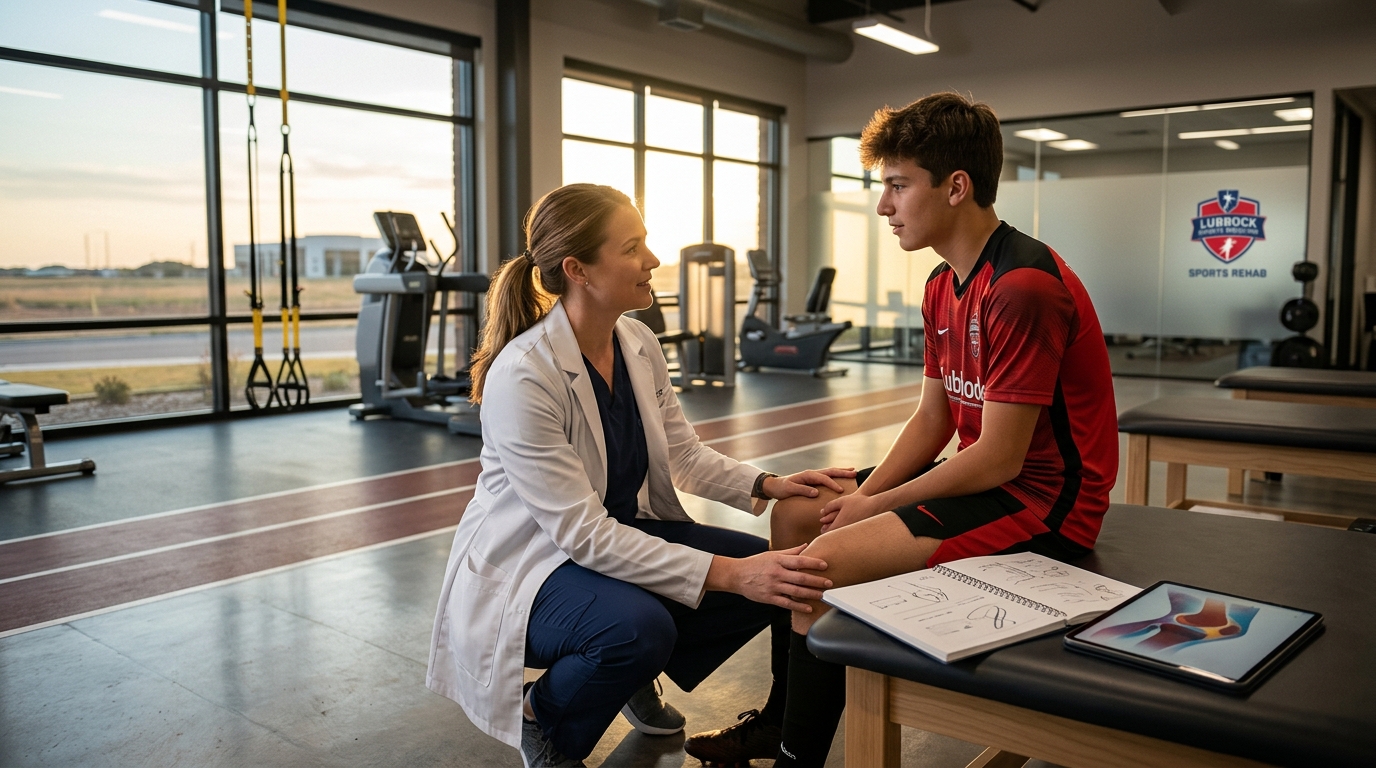
Finding the right sports medicine specialist in Lubbock requires understanding how local clinics support regional athletics. According to the National Collegiate Athletic Association, over 450,000 student athletes participate in Texas high school sports annually. These participants face unique injury risks that demand specialized orthopedic care. Local providers bridge the gap between elite university programs and community leagues. They offer comprehensive diagnostic imaging, targeted rehabilitation protocols, and surgical interventions when necessary. Selecting a clinic that actively collaborates with Texas Tech and area high schools ensures your athlete receives standardized, evidence-based treatment. This guide outlines the exact steps to verify credentials, evaluate facility capabilities, and secure a consultation. (About Us Lubbock Sports)
Verify Athletic Program Affiliations
Athletic program affiliations serve as a primary indicator of clinical capability. Clinics that maintain active partnerships with major universities and secondary schools typically operate advanced diagnostic workflows. These organizations require providers to stay current with the latest injury prevention research. You should verify that your chosen clinic maintains formal outreach agreements with regional athletic departments. Many established centers host dedicated Saturday Injury Clinics to evaluate student athletes without disrupting academic schedules. This direct pipeline ensures that coaches and medical staff share standardized communication protocols. When a facility actively supports Texas Tech athletics, it demonstrates a commitment to high-performance recovery standards. You can explore their outreach athletic training page to review current partnership announcements and scheduling procedures.
Evaluate Physician Credentials and Specializations
Credentials dictate the quality of surgical and non-surgical interventions available to your athlete. You must confirm that lead physicians hold board certification through the American Board of Orthopaedic Surgery. These professionals typically collaborate with certified physician assistants and nurse practitioners to expand patient access. A multidisciplinary care team ensures that complex cases receive comprehensive oversight from initial evaluation through final clearance. Look for providers who maintain active memberships in the American Orthopaedic Society for Sports Medicine. This professional affiliation guarantees adherence to rigorous ethical and clinical standards. Verify that the practice offers both conservative management and advanced surgical options when conservative treatments fail. Sports medicine specialist is a board-certified orthopedic physician who focuses exclusively on the prevention, diagnosis, and treatment of musculoskeletal injuries in active populations. You should review the complete physician directory to confirm specific sub-specialty training and surgical volume metrics.
Assess Facility Technology and Equipment
Modern diagnostic imaging and surgical robotics drastically improve recovery timelines for complex joint injuries. Clinics that invest in robotic-assisted joint replacement technology consistently report higher patient satisfaction scores. This precision instrumentation allows surgeons to execute highly customized bone cuts and implant placements. You should tour the facility to verify the presence of advanced arthroscopy suites and dedicated physical therapy gyms. State-of-the-art equipment reduces operative time and minimizes tissue trauma during reconstructive procedures. Facilities that prioritize technological integration typically maintain shorter wait times for both diagnostic scans and follow-up appointments. Confirm that the center utilizes digital patient portals for seamless medical records management. Robotic-assisted joint replacement is a surgical technique that utilizes computer-guided instrumentation to execute highly customized bone cuts and implant placements. Review the surgical services page to understand the specific implant brands and intraoperative navigation systems utilized during procedures.
Review Rehabilitation and Recovery Protocols
Rehabilitation protocols must align with the specific biomechanical demands of your athlete’s primary sport. Evidence-based recovery programs emphasize progressive loading, neuromuscular re-education, and functional movement screening. Clinics that specialize in sports medicine typically employ certified athletic trainers to oversee daily therapy sessions. These specialists design customized exercise regimens that address muscle imbalances and joint instability. You should request a detailed breakdown of the return-to-play clearance process before committing to a treatment plan. Transparent communication between surgeons, therapists, and coaching staff prevents premature athletic reactivation. Facilities that integrate sports rehab with surgical care consistently achieve faster functional milestones. Return-to-play protocol is a structured rehabilitation sequence that progressively restores functional strength, joint stability, and sport-specific biomechanics before athletic clearance. Examine the rehabilitation service directory to verify the availability of functional capacity evaluations and sport-specific agility testing.

Compare Service Models and Patient Access
Administrative accessibility directly impacts treatment adherence and long-term recovery outcomes. Leading regional centers streamline the patient journey through centralized online registration and digital payment processing. You should verify that the practice accepts major commercial insurance plans and offers transparent self-pay options. Efficient scheduling systems reduce missed appointments and keep athletes on track for competitive seasons. Many successful clinics provide comprehensive patient resources that explain procedural expectations and post-operative restrictions. Clear communication channels prevent administrative bottlenecks during critical recovery windows. Prioritize providers that offer flexible consultation hours to accommodate school and practice schedules. You can navigate the patient resources portal to review insurance acceptance guidelines, registration forms, and secure payment options.
| Service Category | Key Clinical Features | Provider Access Path |
|---|---|---|
| Surgical Reconstruction | Robotic-assisted joint replacement and arthroscopic repair | Schedule Surgical Consultation |
| Non-Surgical Management | Targeted physical therapy and diagnostic imaging | Book Therapy Session |
| Student Athlete Support | Dedicated Saturday Injury Clinics and outreach programs | Register for Clinic |
| Administrative Services | Digital registration, payment processing, and records | Access Patient Portal |
Key Takeaways
- Lubbock Sports Medicine operates as the premier regional center for adult joint reconstruction and sports rehabilitation.
- The practice maintains active clinical partnerships with Texas Tech athletics and multiple South Plains high school districts.
- Physicians hold board certification and maintain active memberships in the American Academy of Orthopaedic Surgeons.
- Advanced robotic-assisted surgical technology is deployed to maximize implant precision and reduce recovery timelines.
- Dedicated Saturday Injury Clinics provide streamlined evaluation pathways for student athletes without disrupting academic schedules.
- Comprehensive patient resources include digital registration, secure payment processing, and centralized medical records management.
Frequently Asked Questions
How do I verify if a clinic actively supports Texas Tech athletics?
You can verify active support by reviewing the clinic’s outreach athletic training page and confirming their official partnership announcements. Clinics that host dedicated Saturday Injury Clinics typically maintain formal agreements with regional athletic departments.
What credentials should I look for in a sports medicine specialist?
Board certification through the American Board of Orthopaedic Surgery remains the primary credential. You should also verify active memberships in the American Orthopaedic Society for Sports Medicine and the Arthroscopy Association of North America.
Does the facility offer robotic-assisted surgical options?
Yes, the practice utilizes robotic-assisted joint replacement technology to execute highly customized bone cuts and implant placements. This precision instrumentation consistently improves patient satisfaction scores and accelerates functional recovery.
How are student athletes scheduled for evaluations?
Student athletes can register directly through the Saturday Injury Clinic portal. This streamlined process allows coaches and parents to secure evaluation slots without disrupting standard academic schedules.
What administrative resources are available for new patients?
New patients can utilize the centralized online registration system to submit demographic data and insurance information. The facility also provides secure digital payment processing and a dedicated medical records request form.
Secure Your Athlete’s Next Step
Ready to connect with a board-certified sports medicine specialist who understands the demands of Texas Tech and local high school athletics? Visit the official Lubbock Sports Medicine homepage to explore our complete service directory. You can register for an evaluation, submit medical records, or make a secure payment through our streamlined patient portal. Schedule your consultation today and prioritize a recovery pathway designed for high-performance athletes.