
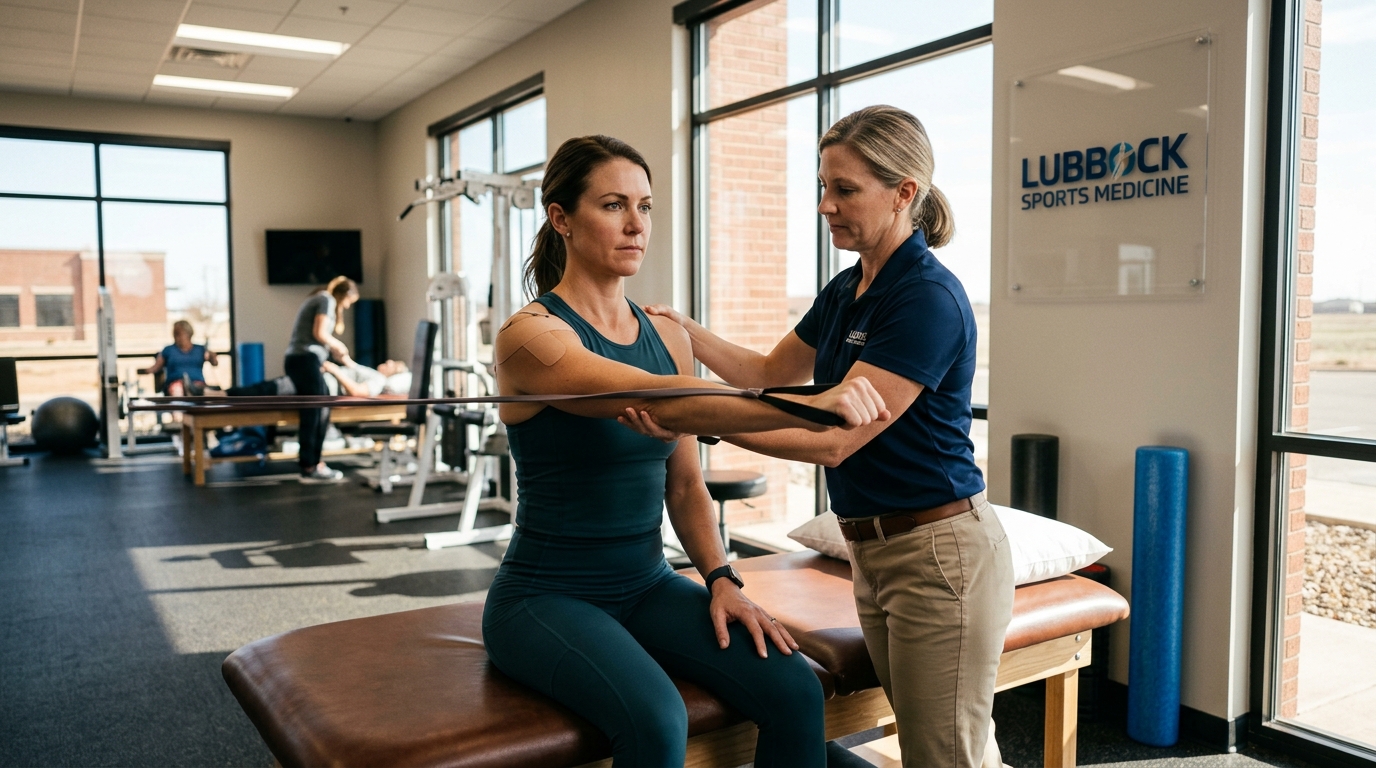
Rotator cuff injuries are among the most prevalent orthopedic complaints in the South Plains, affecting athletes and active individuals alike. According to recent orthopedic data, approximately 50% of adults over age 60 have a rotator cuff tear, while the incidence in younger, active populations is rising due to increased sports participation. Understanding the nuanced differences between conservative management and surgical intervention is critical for determining the optimal path to regaining shoulder mobility and strength. This guide outlines the clinical pathways available at Lubbock Sports Medicine to help you make an informed decision about your recovery.
Understanding the Rotator Cuff Injury
The rotator cuff is a group of four muscles and their tendons that stabilize the shoulder joint. Shoulder injuries can range from mild inflammation to complete tendon tears. The severity of the tear, the age of the patient, and the level of physical demand placed on the shoulder dictate the treatment plan.
Acute tears often result from a specific traumatic event, such as a fall or heavy lifting. Conversely, degenerative tears develop over time due to wear and tear. Early diagnosis is essential to prevent further damage to the tendon and surrounding muscle tissue. Our team at Lubbock Sports Medicine utilizes advanced diagnostic imaging to assess the extent of the injury and determine the most effective course of action.
The Non-Surgical Pathway: Physical Therapy
For many patients, particularly those with partial-thickness tears or degenerative conditions, non-surgical management is the first line of defense. This approach focuses on reducing pain and restoring function through structured rehabilitation.
Phase 1: Pain Management and Mobility
The initial phase of physical therapy aims to control inflammation and maintain passive range of motion. Therapists at Lubbock Sports Rehab employ modalities such as ice, electrical stimulation, and gentle manual therapy to alleviate discomfort. The goal is to prevent the shoulder from becoming stiff, a common complication known as adhesive capsulitis or "frozen shoulder."
Phase 2: Strengthening and Stabilization
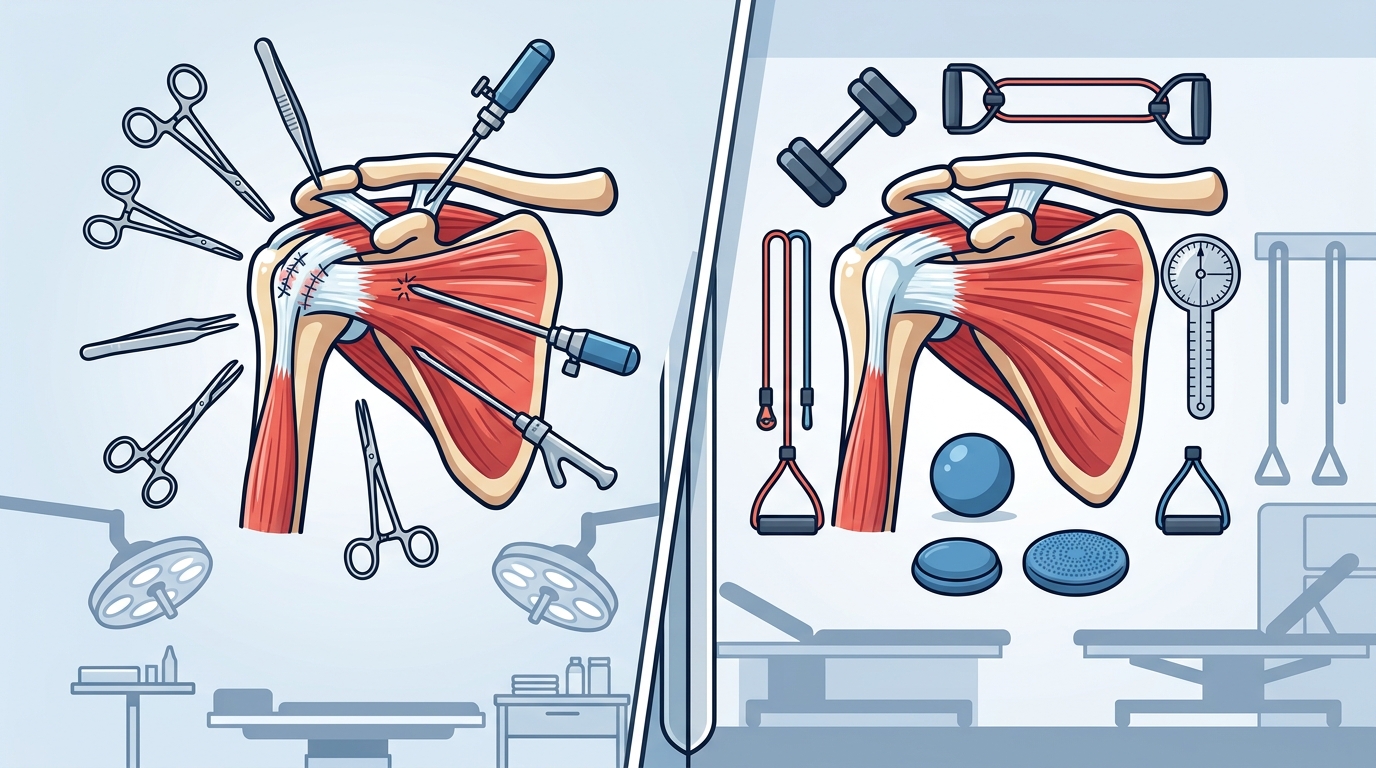
Once acute pain subsides, the focus shifts to strengthening the remaining rotator cuff muscles and the scapular stabilizers. This phase is critical for restoring dynamic stability to the shoulder joint. Patients engage in progressive resistance exercises that mimic daily activities and sports movements. Consistency in this phase is vital for long-term success.
Phase 3: Return to Activity
The final stage involves sport-specific or work-specific training. Athletes may participate in drills that require overhead motions, while manual laborers may focus on lifting techniques. The objective is to ensure the shoulder can handle the demands of the patient's lifestyle without risk of re-injury.
When Surgery Becomes Necessary
Surgical intervention is typically recommended for complete tears, acute traumatic injuries in young, active patients, or when conservative treatment fails to provide relief after several months. The decision to operate is based on the size of the tear, the quality of the tendon tissue, and the patient's functional goals.
Arthroscopic Repair
Minimally invasive arthroscopic surgery is the gold standard for most rotator cuff repairs. This technique involves small incisions and the use of a camera to guide the surgeon. It results in less postoperative pain and a faster recovery compared to open surgery. Our physicians specialize in these advanced techniques to ensure precision and optimal outcomes.
Robotic-Assisted Technology
For complex cases, particularly those involving joint reconstruction, Lubbock Hip & Knee Reconstruction offers MAKO Robotic-Arm Assisted Technology. While primarily known for hip and knee procedures, this level of precision technology underscores our commitment to excellence in orthopedic care. For rotator cuff repairs, the precision of arthroscopic tools allows for secure tendon reattachment to the humeral head.
Recovery After Surgery
Post-surgical recovery is a structured process. Initially, the arm is placed in a sling to protect the repair. Physical therapy begins shortly after surgery to maintain passive motion. Active motion and strengthening are introduced gradually over several months. Full recovery can take six to twelve months, depending on the severity of the tear and the patient's adherence to the rehabilitation protocol.
Comparing Recovery Timelines and Outcomes
Choosing between physical therapy and surgery requires a clear understanding of the expected outcomes and timelines for each path. The following table summarizes the key differences.
| Factor | Physical Therapy (Non-Surgical) | Surgical Repair |
|---|---|---|
| Initial Recovery Time | 6 to 12 weeks for significant improvement | 6 weeks in sling, followed by therapy |
| Full Functional Return | 3 to 6 months | 6 to 12 months |
| Pain Relief | Gradual reduction through inflammation control | Immediate relief of mechanical symptoms |
| Best For | Partial tears, degenerative conditions, older patients | Complete tears, acute injuries, young active patients |
| Risk Profile | Low risk of re-injury if protocol followed | Surgical risks (infection, stiffness, re-tear) |
Data indicates that while surgery provides a higher likelihood of anatomical healing for complete tears, functional outcomes can be similar to physical therapy in select populations. The decision must be personalized based on individual health metrics and lifestyle demands.
Key Takeaways for Patients
- Early Diagnosis is Critical: Prompt evaluation by an orthopedic specialist can prevent further tendon damage and improve prognosis.
- Physical Therapy is Effective: For many patients, a structured physical therapy program at Lubbock Sports Rehab can restore function without surgery.
- Surgery Offers Anatomical Repair: For complete tears, surgery provides the best chance for restoring the tendon's original attachment.
- Recovery Requires Patience: Both pathways demand strict adherence to rehabilitation protocols to avoid complications.
- Specialized Care Matters: Our physicians are members of the American Academy of Orthopaedic Surgeons and the American Orthopaedic Society for Sports Medicine, ensuring the highest standard of care.
- Robotic Precision: For joint reconstruction, our use of MAKO Robotic-Arm Assisted Technology highlights our commitment to advanced orthopedic solutions.
- Community Focus: We serve the South Plains community with a focus on active lifestyles, from recreational athletes to elite competitors.
Frequently Asked Questions
How do I know if I need surgery for a rotator cuff tear?
The decision depends on the size of the tear, your age, and your activity level. Complete tears in young, active individuals often require surgery, while partial tears may respond well to physical therapy.
What is the typical recovery time for physical therapy?
Most patients see significant improvement within 6 to 12 weeks of consistent physical therapy. Full recovery can take up to six months.
Is robotic surgery used for rotator cuff repairs?
While robotic assistance is primarily used for hip and knee replacements at our facility, our arthroscopic rotator cuff repairs utilize advanced minimally invasive techniques for precision and faster recovery.
Can I return to sports after a rotator cuff tear?
Yes, most patients can return to sports. The timeline varies based on the treatment path, with physical therapy allowing a quicker return for mild cases and surgery requiring a longer rehabilitation period.
What are the risks of rotator cuff surgery?
Risks include infection, stiffness, and re-tear of the tendon. However, these risks are minimized through careful patient selection and adherence to post-operative protocols.
How long does it take to recover from rotator cuff surgery?
Full recovery typically takes 6 to 12 months. Initial healing occurs in the first 6 weeks, followed by gradual strengthening over the next several months.
Do you offer concierge services for athletic injuries?
Yes, we provide specialized care for athletes, including outreach athletic training and concussion management, ensuring comprehensive support for active individuals.
Schedule Your Consultation
Recovering from a rotator cuff tear requires expert guidance and a personalized treatment plan. Whether you are considering physical therapy or surgical intervention, our team at Lubbock Sports Medicine is here to help you achieve your goals. Contact us today to schedule an appointment with one of our experienced physicians.
Call us at (806) 792-4329 or visit our online registration page to get started.