
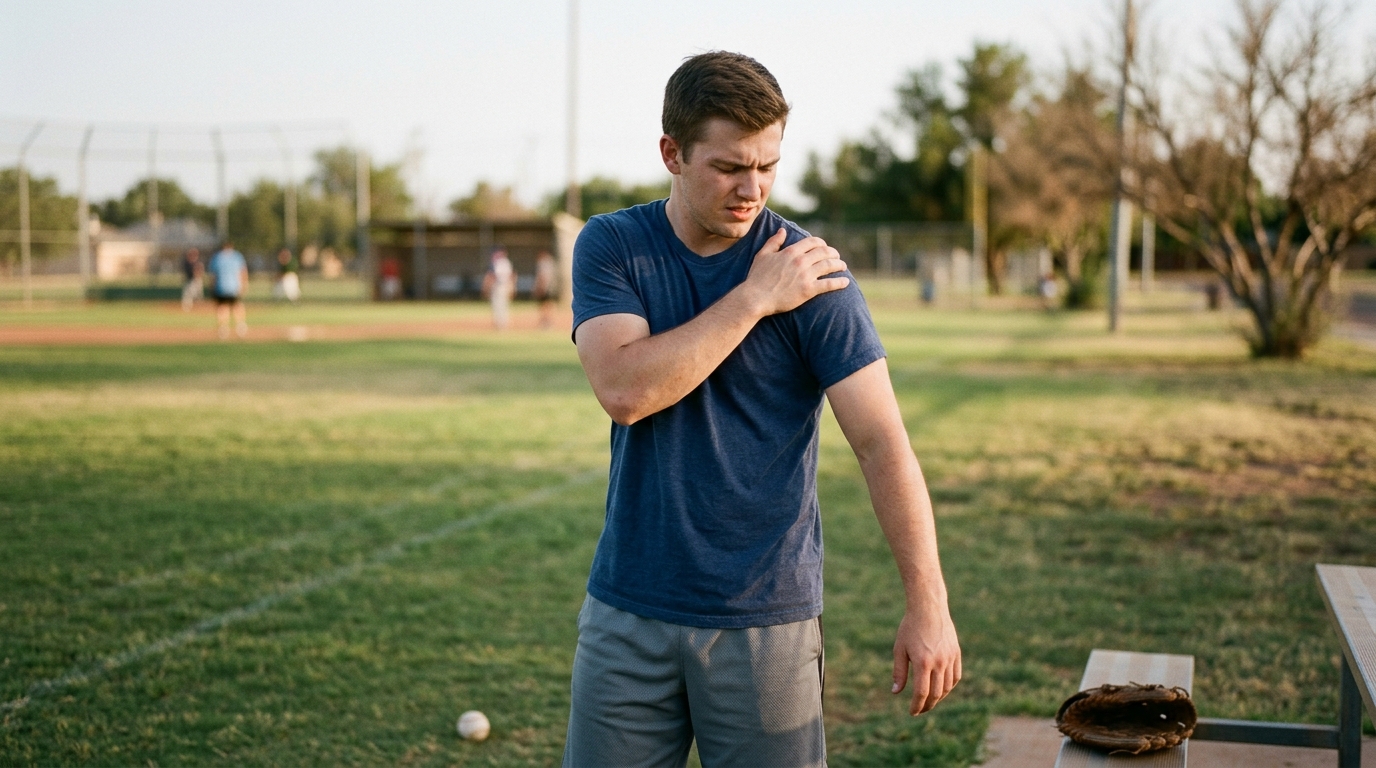
Shoulder instability during athletic motion is a widespread clinical issue affecting millions of active individuals annually. According to recent orthopedic studies, approximately 50% of all throwing injuries involve the shoulder joint, with rotator cuff pathologies being the primary culprit. This statistic highlights the critical need for early intervention and precise diagnosis. If you are experiencing sharp pain or audible clicking when throwing a ball, you are likely dealing with a mechanical issue that requires professional evaluation. Ignoring these symptoms can lead to chronic instability and long-term joint damage. (Head Lubbock Sports Medicine)
Understanding the Clicking Sensation
Many athletes describe a distinct "clunking" or "clicking" sound in the shoulder during the cocking phase of a throw. This phenomenon is often referred to as internal impingement. It occurs when the rotator cuff tendons get pinched between the ball of the shoulder joint and the socket. Over time, this repetitive friction causes inflammation and tissue damage.
Another common cause is labral tears. The labrum is a ring of cartilage that deepens the shoulder socket. When this tissue tears, it can catch on the joint bones, creating a clicking sensation. This is frequently seen in overhead athletes like baseball pitchers and tennis players. The pain is often localized to the back or side of the shoulder. It typically worsens when reaching behind the back or throwing at full intensity.
Scapular dyskinesis is also a significant contributor. This condition involves abnormal movement of the shoulder blade. When the shoulder blade does not move correctly, it alters the biomechanics of the entire arm. This misalignment places excessive stress on the rotator cuff. The resulting instability leads to both pain and audible clicking sounds during dynamic movements.
Common Throwing Injuries
Rotator cuff tears are among the most prevalent injuries in throwing athletes. The rotator cuff is a group of four muscles that stabilize the shoulder joint. When these muscles are overstretched or torn, they lose their ability to hold the humerus in place. This leads to pain during overhead activities and weakness in lifting the arm. According to the Mayo Clinic, rotator cuff injuries are a leading cause of shoulder pain in adults.
SLAP tears are another critical diagnosis for throwers. SLAP stands for Superior Labrum Anterior to Posterior. This type of tear occurs at the top of the labrum where the biceps tendon attaches. Athletes often report a feeling of the shoulder "giving way" or catching. The pain is usually deep in the shoulder and radiates down the arm. This injury is common in baseball pitchers who experience high torque during the acceleration phase.
Biceps tendonitis is frequently associated with labral tears. The long head of the biceps tendon runs through the shoulder joint. Inflammation in this tendon causes anterior shoulder pain. The pain is often sharp during the throwing motion and dull at rest. If left untreated, the tendon can rupture or subluxate. This requires immediate medical attention to prevent further joint damage.
The Diagnostic Process
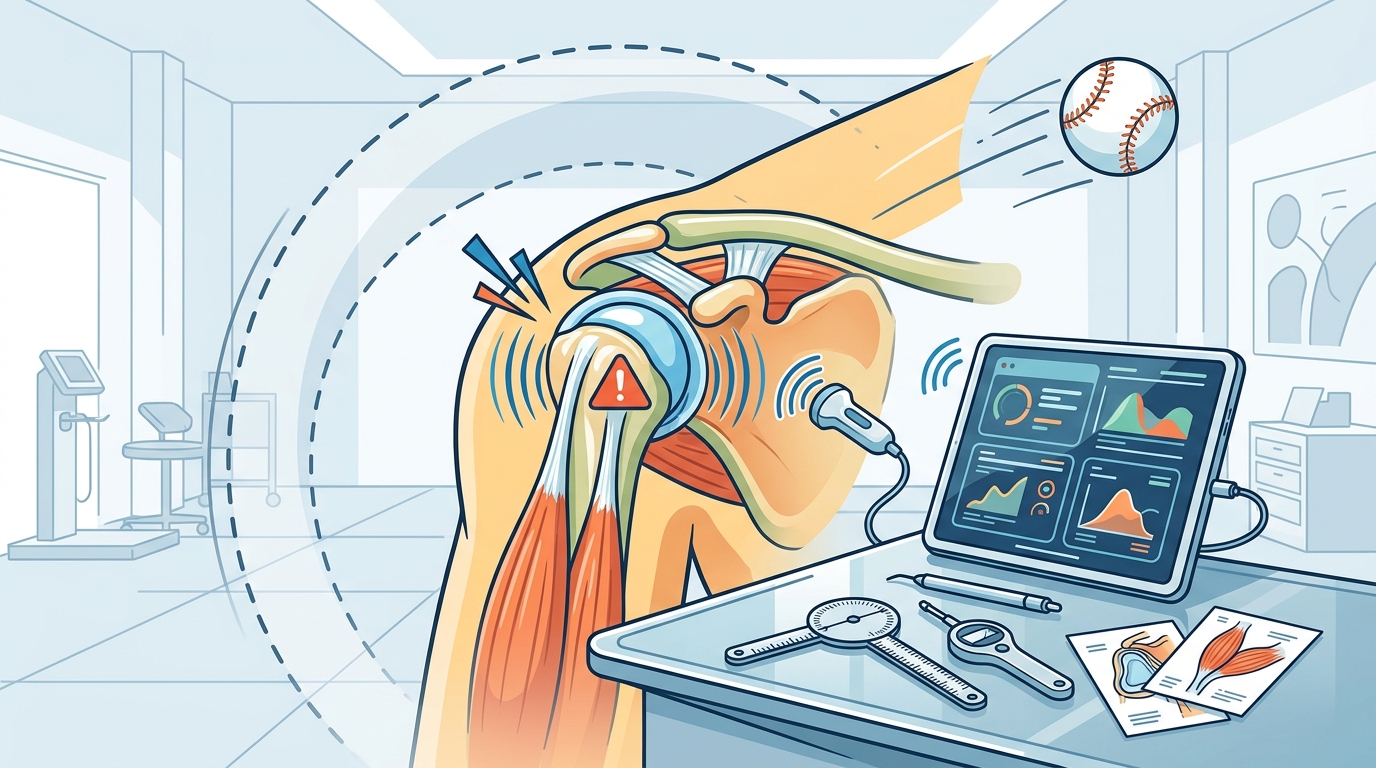
Accurate diagnosis is the first step toward effective treatment. At Lubbock Sports Medicine, our physicians utilize a comprehensive physical examination to assess shoulder stability. We perform specific orthopedic tests to isolate the source of pain. These tests help determine if the issue is muscular, ligamentous, or bony.
Imaging plays a crucial role in confirming the diagnosis. X-rays are used to rule out fractures or arthritis. However, X-rays cannot visualize soft tissue injuries. Therefore, MRI arthrograms are often required. This procedure involves injecting contrast dye into the joint before scanning. The dye highlights tears in the labrum and rotator cuff that would otherwise be invisible.
Our team of specialists includes board-certified orthopedic surgeons and physician assistants. They work together to create a personalized treatment plan. Our physicians are members of the American Academy of Orthopaedic Surgeons, ensuring the highest standard of care. We focus on preserving your ability to return to your sport safely.
Treatment Options
Non-surgical treatment is often the first line of defense. This approach includes rest, ice, and anti-inflammatory medications. Physical therapy is essential to restore strength and flexibility. Our rehabilitation specialists design programs that target the rotator cuff and scapular stabilizers. This helps correct biomechanical imbalances that cause the clicking.
Injections may be recommended to reduce inflammation. Corticosteroid injections can provide temporary pain relief. This allows the patient to participate more effectively in physical therapy. However, injections are not a long-term solution. They are used to manage symptoms while the underlying issue is addressed.
Surgical intervention is necessary for severe tears or chronic instability. Arthroscopic surgery is the preferred method for most shoulder repairs. This minimally invasive technique allows for faster recovery times. Our surgeons use advanced techniques to repair torn labrums and rotator cuffs. Visit our specialties page to learn more about our surgical capabilities.
Recovery Timeline
Recovery from shoulder injuries varies based on the severity of the condition. Non-surgical treatment typically takes six to eight weeks. Patients can gradually return to throwing activities during this period. The focus is on restoring range of motion and strength.
Surgical recovery is a longer process. Initial healing takes six to eight weeks. However, full return to sport can take six to nine months. This timeline ensures that the repaired tissue is strong enough to withstand athletic forces. Our team monitors your progress closely throughout the rehabilitation process.
Prevention is key to avoiding future injuries. Proper throwing mechanics are essential. Athletes should work with coaches to ensure correct form. Strengthening the rotator cuff and scapular muscles is also vital. Our outreach athletic training services provide valuable support for injury prevention.
Key Takeaways
- Shoulder clicking during throwing is often a sign of labral tears or impingement.
- Approximately 50% of throwing injuries involve the shoulder joint, according to orthopedic data.
- Accurate diagnosis requires physical exams and advanced imaging like MRI arthrograms.
- Physical therapy is crucial for restoring strength and correcting biomechanical imbalances.
- Surgical repair may be necessary for severe tears, with recovery taking up to nine months.
- Lubbock Sports Medicine offers specialized care for athletes in the South Plains region.
- Early intervention prevents chronic instability and long-term joint damage.
Frequently Asked Questions
What causes the clicking sound in my shoulder?
The clicking sound is usually caused by a torn labrum or rotator cuff tendon catching on the bone. This mechanical issue creates an audible clunk during overhead movements.
Is shoulder pain when throwing serious?
Yes, shoulder pain when throwing indicates underlying tissue damage. Ignoring it can lead to chronic instability and arthritis. Early diagnosis is critical for a full recovery.
How long does it take to heal a shoulder injury?
Non-surgical healing takes six to eight weeks. Surgical recovery can take six to nine months. The timeline depends on the severity of the tear and the rehabilitation protocol.
Can physical therapy fix a torn labrum?
Physical therapy can manage symptoms and improve function. However, it cannot repair a torn labrum. Surgery is often required to restore structural integrity.
When should I see a sports medicine specialist?
You should see a specialist if you experience persistent pain, clicking, or weakness. Do not wait for the pain to go away on its own. Early evaluation leads to better outcomes.
What is the difference between impingement and a tear?
Impingement is inflammation caused by pinching. A tear is a structural rupture of the tendon or labrum. Both conditions cause pain but require different treatments.
How does Lubbock Sports Medicine help athletes?
We provide comprehensive care from diagnosis to rehabilitation. Our team includes orthopedic surgeons and physical therapists. We focus on getting athletes back to their sport safely.
Are there non-surgical options for shoulder pain?
Yes, non-surgical options include rest, physical therapy, and injections. These methods are effective for mild to moderate injuries. Severe tears may still require surgery.
Contact Us
If you are experiencing shoulder pain and clicking when throwing, do not delay. Early diagnosis is essential for a successful recovery. Register online to schedule an appointment with our specialists. Our team is dedicated to providing the highest quality orthopedic care in Lubbock. Contact us today to get back to the game you love.