
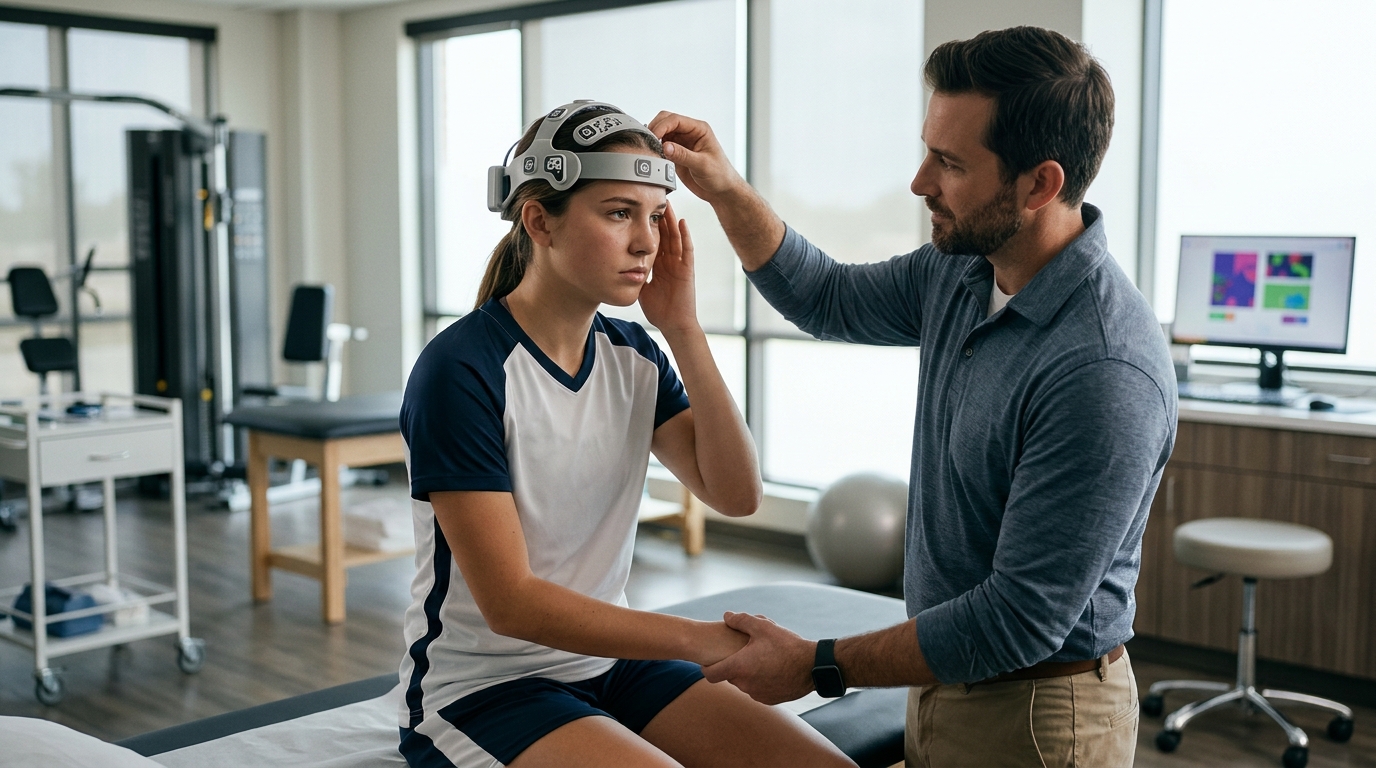
Concussions represent a critical public health challenge, particularly for active individuals in Texas. According to the Centers for Disease Control and Prevention, an estimated 1.6 to 3.8 million concussions occur in the United States annually due to sports-related injuries. Early and accurate diagnosis is not merely a medical formality but a necessity for safe recovery. At Lubbock Sports Medicine, we provide certified ImPACT concussion testing and comprehensive management to ensure patients return to their lives safely. This guide details how our specialized team in Lubbock utilizes advanced neurocognitive assessment to protect your brain health. (About Us Lubbock Sports)
What Is ImPACT Testing?
ImPACT is a computerized neurocognitive assessment tool designed to aid in the management of concussions. The acronym stands for Immediate Post-Concussion Assessment and Cognitive Testing. This tool measures key areas such as memory, reaction time, processing speed, and non-verbal reasoning. By establishing a baseline before an injury occurs or comparing post-injury results to that baseline, clinicians can make data-driven decisions about recovery timelines. (Lubbock Sports Medicine amp)
According to the American Academy of Neurology, objective neurocognitive testing provides valuable information to help guide return-to-play decisions. It removes the guesswork from recovery. When a patient reports symptoms like headaches or brain fog, the ImPACT test quantifies the cognitive deficit. This allows our physicians to track progress objectively over time. The test is validated for individuals aged 13 and older, making it suitable for high school athletes through adult recreational players. (Head Lubbock Sports Medicine)
The Lubbock Sports Medicine Protocol
Lubbock Sports Medicine stands as the premiere sports medicine, adult joint reconstruction, and rehab center in the South Plains. Our approach to concussion management integrates cutting-edge technology with personalized clinical care. We do not rely on subjective symptom reporting alone. Instead, we combine ImPACT results with a thorough clinical evaluation by our specialized physicians. (Holly Short PA C)
Our team includes dedicated providers who understand the nuances of brain injury. For instance, our staff members are trained to interpret ImPACT data in the context of the patient's specific lifestyle and athletic demands. Whether you are a high school quarterback or an adult dealing with a workplace injury, our protocol adapts to your needs. We emphasize a "Medicine for Motion" philosophy, ensuring that cognitive recovery aligns with physical rehabilitation. (Charity Purser MSN FNP)
We also offer specialized outreach for local schools and athletic organizations. Our Saturday Injury Clinic and outreach athletic training programs ensure that young athletes receive timely care. This proactive stance helps mitigate the long-term risks associated with untreated or prematurely managed concussions. By partnering with local communities, we help establish a culture of safety and awareness.
Who Needs Concussion Management?
Concussions are not limited to professional athletes. Any individual who experiences a blow to the head or body that causes the brain to move rapidly within the skull is at risk. This includes participants in football, soccer, basketball, and even contact sports like wrestling. However, the need for management extends beyond sports.
Adults involved in motor vehicle accidents or workplace incidents may also benefit from neurocognitive assessment. Symptoms such as difficulty concentrating, irritability, and sleep disturbances often accompany physical pain. Lubbock Sports Medicine evaluates these cognitive symptoms alongside physical injuries. Our physicians, including Dr. Kevin Crawford and Dr. David Shephard, are leaders in orthopedic and sports medicine care in the region.
Furthermore, our team addresses the growing concern of concussion management in youth sports. Parents often worry about the long-term effects of repeated head impacts. By providing certified testing and clear management plans, we empower families to make informed decisions. Our clinical coordinators, such as Paige Edwards and Lindsey Melendez, assist patients in navigating the registration and follow-up process efficiently.
The Testing Process Explained
Undergoing ImPACT testing is a straightforward and non-invasive process. The assessment typically takes about 20 to 30 minutes to complete. It is administered on a computer or tablet device in a quiet, private setting. The test consists of several subtests that measure different cognitive domains.
During the evaluation, patients complete tasks involving memory recall, pattern recognition, and reaction time. The software analyzes the results and generates a detailed report. This report is reviewed by our medical team to determine the extent of any cognitive impairment. If a baseline test was previously completed, we compare the current results to that baseline. This comparison highlights specific areas of deficit that need targeted rehabilitation.
Follow-up testing is conducted at regular intervals during recovery. These serial assessments help track cognitive healing. When the results return to normal ranges and align with the patient's symptom resolution, we can safely clear them for return to activity. This data-driven approach minimizes the risk of second-impact syndrome, a rare but serious condition that can occur if a second concussion happens before the first has healed.
ImPACT vs. Traditional Assessment
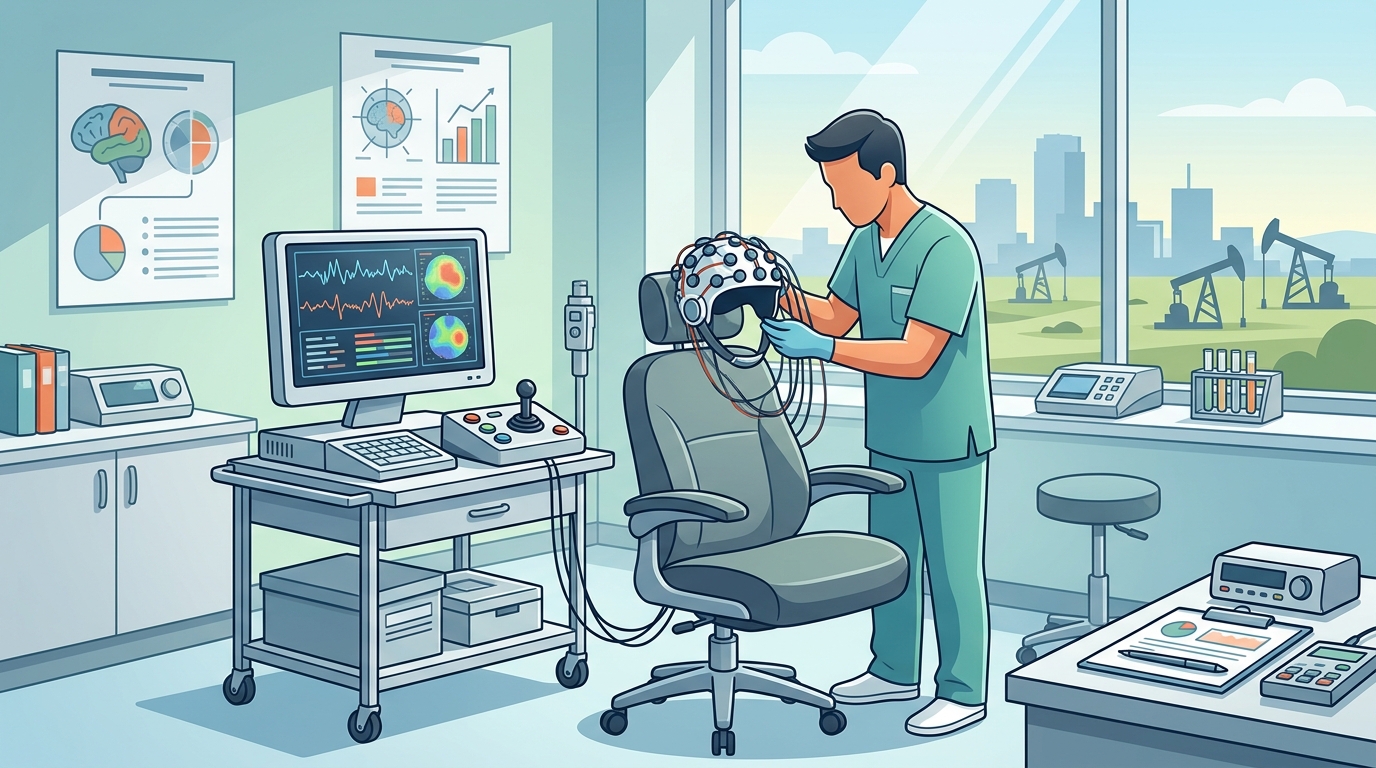
Traditional concussion assessment often relies on symptom checklists and clinical observation. While valuable, these methods can be subjective. A patient might downplay symptoms due to a desire to return to play, or they might exaggerate them due to anxiety. ImPACT testing provides an objective measure of brain function.
| Feature | Traditional Assessment | ImPACT Testing |
|---|---|---|
| Data Type | Subjective Symptom Reporting | Objective Neurocognitive Metrics |
| Sensitivity | Low to Moderate | High |
| Baseline Comparison | Not Available | Available for Individualized Tracking |
| Return-to-Play Clarity | Based on Symptom Resolution | Based on Cognitive Normalization |
Research indicates that computerized neurocognitive testing improves the accuracy of concussion diagnosis. According to the National Athletic Trainers' Association, objective testing should be part of a comprehensive concussion management plan. At Lubbock Sports Medicine, we integrate ImPACT into our broader treatment framework, which may include physical therapy, vestibular rehabilitation, and medical management.
Key Takeaways
- Certified Testing: Lubbock Sports Medicine provides certified ImPACT testing for accurate concussion diagnosis and management.
- Objective Data: ImPACT testing measures memory, reaction time, and processing speed to quantify cognitive deficits.
- Local Expertise: Our physicians, including Dr. Kevin Crawford and Dr. David Shephard, are leaders in South Plains sports medicine.
- Comprehensive Care: We combine neurocognitive assessment with physical rehabilitation for holistic recovery.
- Youth Focus: We offer specialized outreach and Saturday clinics for young athletes and school teams.
- Safe Return: Serial testing ensures patients only return to activity when cognitive function has normalized.
- Community Trust: As a premier center, we serve hundreds of patients annually with high-quality orthopedic and sports care.
Frequently Asked Questions
What is the cost of ImPACT testing?
The cost of ImPACT testing varies depending on insurance coverage and whether it is part of a comprehensive evaluation. We recommend contacting our office directly to discuss billing and insurance options. Our team works to maximize your benefits and minimize out-of-pocket expenses.
How long does the testing take?
The ImPACT assessment itself takes approximately 20 to 30 minutes. However, the entire appointment, including the physician review and discussion of results, may take longer. We schedule ample time to ensure a thorough evaluation.
Can children take ImPACT testing?
Yes, ImPACT is validated for individuals aged 13 and older. For younger children, our physicians may use age-appropriate assessment tools or adapt the protocol as clinically indicated. We tailor our approach to the developmental stage of the patient.
Do you offer baseline testing for athletes?
Absolutely. Baseline testing is crucial for accurate post-injury comparison. We encourage athletes to complete baseline testing before the start of their sports season. This allows us to detect even subtle changes in cognitive function after a potential concussion.
How soon after a head injury should I be tested?
It is ideal to be tested within 24 to 72 hours after the injury. Testing too early may not capture the full extent of the cognitive deficit, while testing too late may miss the window for acute management. Our team provides urgent evaluation for recent injuries.
What happens if my results are abnormal?
If your results are abnormal, our physicians will develop a personalized management plan. This may include cognitive rest, gradual return to activity, and follow-up testing. We monitor your progress closely to ensure a safe and complete recovery.
Do you treat adults with concussions?
Yes, we treat patients of all ages. Adults often suffer concussions from sports, motor vehicle accidents, or workplace incidents. Our comprehensive approach addresses both the cognitive and physical aspects of recovery for adult patients.
Schedule Your Evaluation
Do not let a concussion impact your future. Early and accurate diagnosis is the key to a safe recovery. Lubbock Sports Medicine is ready to provide you with the certified ImPACT testing and expert management you need. Our team is dedicated to helping you return to your active life safely and confidently.
Contact us today to schedule an appointment. You can reach Lubbock Sports Medicine at (806) 792-4329 or visit our office at 4110 22nd Place, Lubbock, TX 79410. For rehabilitation needs, contact Lubbock Sports Rehab at (806) 792-7200. We are here to help you heal.