
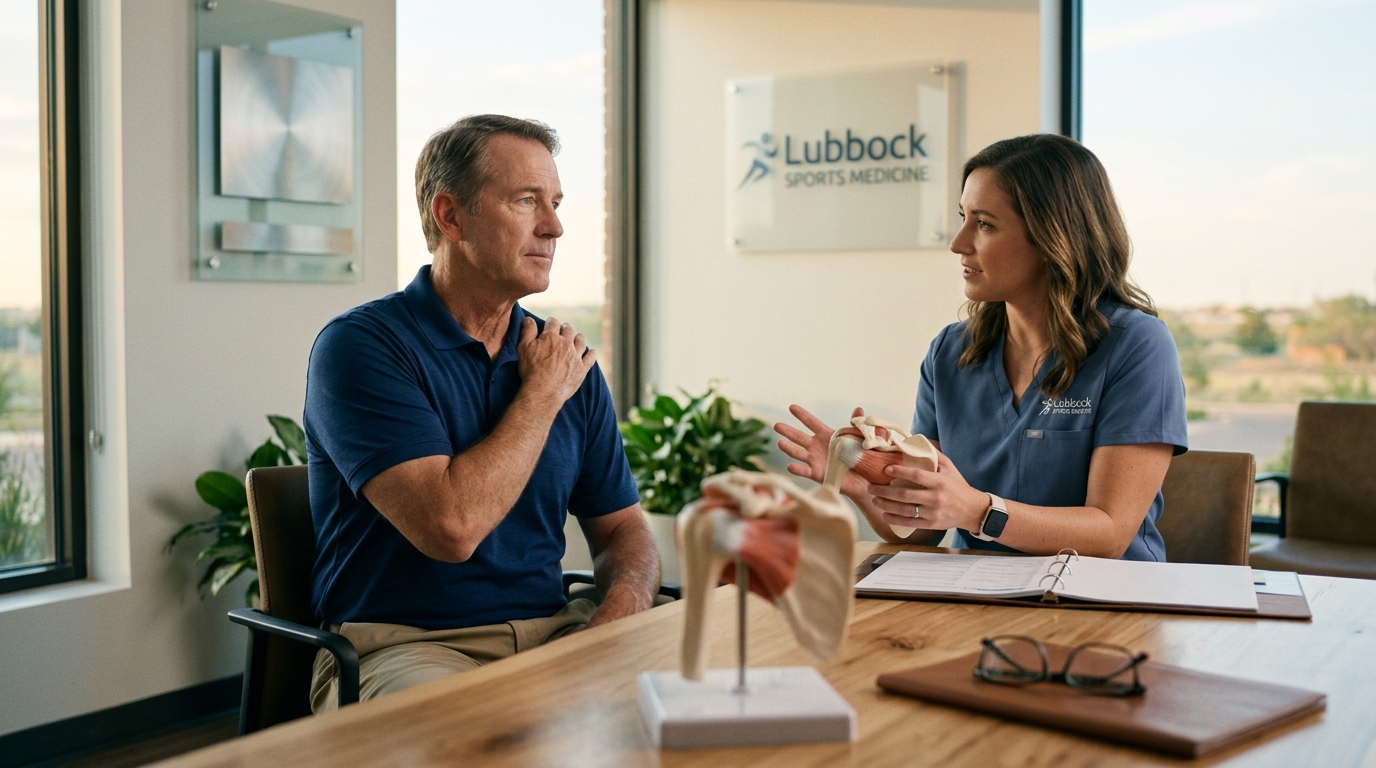
Rotator cuff injuries are among the most common orthopedic complaints in the South Plains, affecting athletes and active individuals alike. According to recent orthopedic data, approximately 50% of individuals over age 60 have a rotator cuff tear, while acute traumatic tears account for a significant portion of sports injuries in younger demographics. Understanding the precise nature of your injury is the first step toward reclaiming your mobility. This guide explores the critical decision-making process between conservative management and surgical intervention, leveraging the specialized expertise available at Lubbock Sports Medicine.
Understanding the Rotator Cuff Injury
The rotator cuff is a group of four muscles and their tendons that stabilize the shoulder joint. Rotator cuff tear is a condition where one or more of these tendons are partially or completely torn. This injury can result from acute trauma, such as a fall or heavy lifting, or from chronic degeneration over time. Symptoms typically include persistent pain, weakness in the arm, and difficulty performing overhead activities.
For residents of Lubbock and the surrounding South Plains, recognizing these symptoms early is vital. Delaying treatment can lead to further tendon retraction and muscle atrophy, complicating future recovery efforts. Our team at Lubbock Sports Medicine & Rehab specializes in treating active people from all walks of life, ensuring that your treatment plan aligns with your lifestyle goals.
The Diagnostic Process and Imaging
Accurate diagnosis is the cornerstone of effective treatment. Physicians at Lubbock Sports Medicine utilize advanced diagnostic tools to assess the severity of the tear. This process typically involves a physical examination to test range of motion and strength, followed by imaging studies.
Magnetic Resonance Imaging (MRI) is the gold standard for visualizing soft tissue damage. It allows specialists to determine the size of the tear, the degree of tendon retraction, and the quality of the surrounding muscle tissue. This detailed information is crucial for deciding whether conservative therapy or surgical repair is the appropriate course of action. Our physicians are members of the American Academy of Orthopedic Surgeons and the American Orthopaedic Society for Sports Medicine, ensuring that your diagnosis meets the highest professional standards.
The Physical Therapy Recovery Path
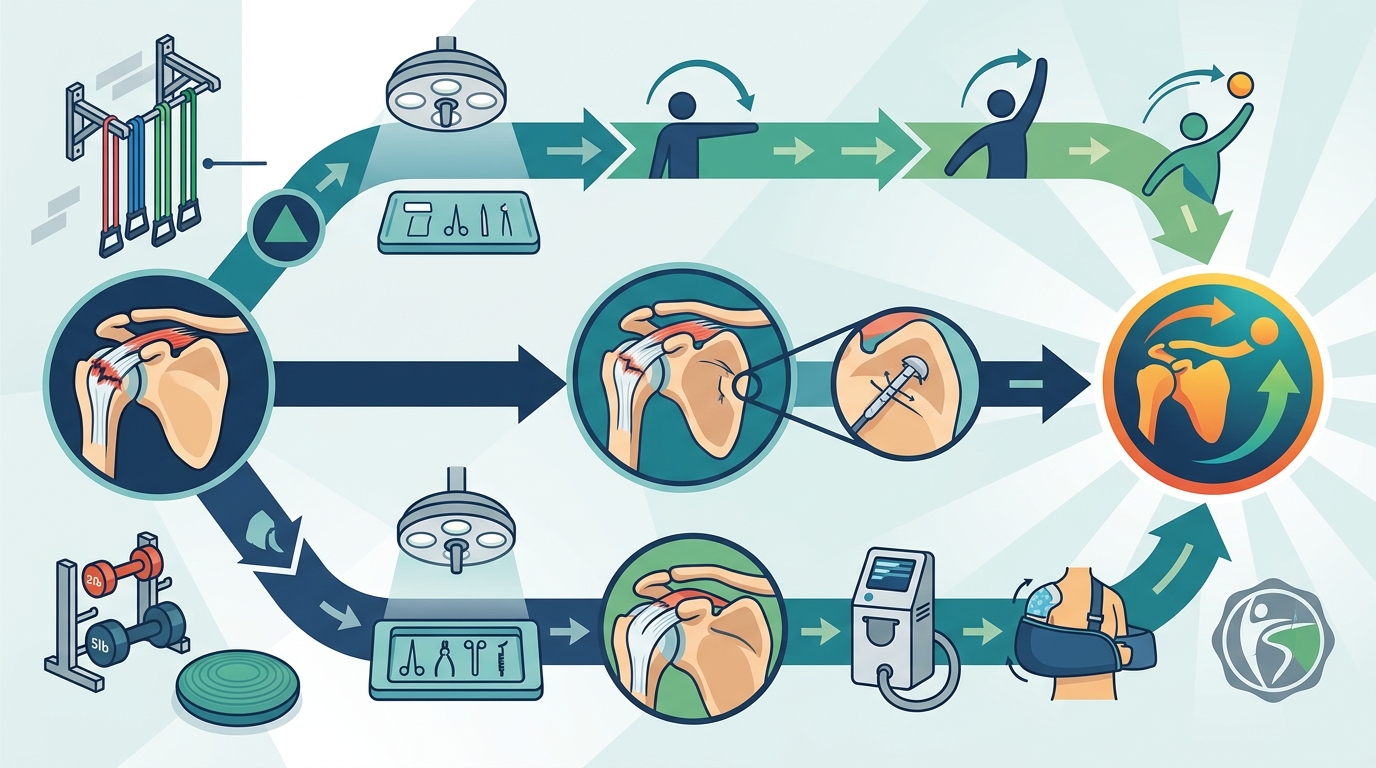
For many patients, particularly those with partial tears or degenerative conditions, physical therapy is the first line of defense. Physical therapy is a structured rehabilitation program designed to restore strength, flexibility, and function to the injured shoulder. The goal is to reduce pain and improve the shoulder's biomechanics without the need for invasive procedures.
At Lubbock Sports Rehab, our rehabilitation protocols are tailored to individual needs. The process typically begins with pain management techniques, such as ice, heat, and modalities like ultrasound or electrical stimulation. As pain subsides, the focus shifts to gentle range-of-motion exercises to prevent stiffness. Over time, progressive resistance training strengthens the rotator cuff muscles and the surrounding scapular stabilizers.
Data indicates that a significant percentage of patients experience substantial improvement with non-surgical management. However, success depends heavily on patient compliance and the specific characteristics of the tear. Our certified athletic trainers and physical therapists work closely with you to ensure you are performing exercises correctly and progressing at a safe pace.
When Surgery Becomes Necessary
Surgical intervention is often recommended for full-thickness tears, acute traumatic injuries in young, active individuals, or cases where physical therapy has failed to alleviate symptoms after several months. The primary goal of surgery is to reattach the torn tendon to the humerus bone, restoring the anatomical integrity of the shoulder.
Arthroscopic surgery is the most common technique used for rotator cuff repairs. This minimally invasive approach involves making small incisions and using a camera to guide the repair. Benefits include reduced postoperative pain, less tissue damage, and a faster initial recovery compared to open surgery. Our specialists at Lubbock Hip & Knee Reconstruction and Lubbock Sports Medicine are trained in these advanced techniques to ensure optimal outcomes.
Recovery from rotator cuff surgery is a lengthy process that requires patience and dedication. It typically involves a period of immobilization in a sling, followed by gradual physical therapy. Full recovery can take six months to a year, depending on the size of the tear and the patient's overall health. Our team provides comprehensive support throughout this journey, from pre-operative education to post-operative rehabilitation.
Robotic Assisted Joint Reconstruction
While rotator cuff repair addresses soft tissue injuries, some patients may also suffer from concurrent joint degeneration. Robotic assisted joint replacement is a surgical technique that uses robotic technology to enhance the precision of joint reconstruction procedures. Although primarily associated with hip and knee replacements, the principles of robotic precision are increasingly influencing orthopedic care across all joint regions.
Lubbock Sports Medicine is committed to excellence in patient care and strives to provide the highest quality of orthopaedic care possible. Our physicians specialize in knee and hip reconstruction, utilizing robotic assistance to ensure accurate implant positioning and optimal joint alignment. For patients with complex shoulder issues involving significant bone loss or arthritis, advanced surgical planning may incorporate similar precision technologies to improve long-term durability and function.
Comparison of Treatment Outcomes
Choosing between physical therapy and surgery is a personal decision that depends on various factors. The table below summarizes the key differences between the two approaches.
| Factor | Physical Therapy | Surgical Repair |
|---|---|---|
| Best For | Partial tears, degenerative conditions, older patients | Full-thickness tears, acute trauma, young active patients |
| Recovery Time | 6 to 12 weeks for significant improvement | 6 to 12 months for full recovery |
| Risk Profile | Low risk, non-invasive | Surgical risks include infection, stiffness, re-tear |
| Cost | Generally lower initial cost | Higher initial cost due to surgery and facility fees |
| Success Rate | High for partial tears and functional improvement | High for anatomical repair and strength restoration |
Key Takeaways
- Early Diagnosis is Critical: Prompt evaluation by specialists at Lubbock Sports Medicine can prevent further tendon damage and improve treatment outcomes.
- Physical Therapy is Effective: For many patients, a structured rehabilitation program at Lubbock Sports Rehab can restore function without surgery.
- Surgery Offers Anatomical Repair: Arthroscopic surgery is the gold standard for full-thickness tears, offering a chance to restore the tendon's original attachment.
- Recovery Requires Patience: Whether through therapy or surgery, shoulder recovery is a gradual process that demands consistent effort and adherence to medical advice.
- Expert Care is Available Locally: Our team includes board-certified physicians and certified athletic trainers dedicated to the South Plains community.
- Robotic Precision Enhances Outcomes: Utilizing advanced technologies like Robotic Assisted Joint Reconstruction ensures high standards of care for complex orthopedic cases.
- Personalized Treatment Plans: Each patient receives a unique plan based on their age, activity level, and specific injury characteristics.
Frequently Asked Questions
How long does it take to recover from a rotator cuff tear without surgery?
Recovery time varies significantly based on the severity of the tear. For partial tears, patients often see improvement within 6 to 12 weeks of consistent physical therapy. However, complete resolution of symptoms may take several months. Our therapists at Lubbock Sports Rehab will monitor your progress and adjust the program as needed.
What are the signs that I need surgery for a rotator cuff tear?
Surgery is typically considered if you have a full-thickness tear, experience significant weakness, or if physical therapy fails to reduce pain and improve function after 3 to 6 months. Acute tears in young, active individuals are also strong candidates for surgical repair to restore optimal shoulder mechanics.
Is robotic surgery used for rotator cuff repairs?
While robotic assistance is currently more common in hip and knee replacements, the principles of precision are influencing all orthopedic fields. Lubbock Sports Medicine is committed to utilizing the latest technologies to enhance patient care. For specific shoulder procedures, our surgeons use advanced arthroscopic techniques to ensure precise tendon repair.
Can I return to sports after a rotator cuff injury?
Yes, most patients can return to their previous level of activity. Athletes and active individuals often benefit from specialized rehabilitation programs that focus on sport-specific movements. Our Outreach Athletic Training services are designed to help athletes safely return to play.
What is the role of the Saturday Injury Clinic?
The Saturday Injury Clinic provides convenient access to orthopedic evaluations for patients who cannot attend appointments during standard business hours. This service ensures that active individuals receive timely care without disrupting their work or training schedules.
How do I schedule an appointment with Dr. Kevin Crawford or another specialist?
You can schedule an appointment by calling Lubbock Sports Medicine directly or by using our online registration portal. Our staff will assist you in selecting the appropriate specialist based on your specific symptoms and needs.
What should I expect during the first physical therapy session?
During your first session, your therapist will conduct a thorough evaluation of your shoulder's range of motion, strength, and pain levels. They will then create a customized treatment plan that may include manual therapy, exercises, and modalities to reduce pain and inflammation.
Schedule Your Consultation
Do not let a rotator cuff tear limit your life. Whether you require conservative management or surgical intervention, the experts at Lubbock Sports Medicine are here to help you achieve your recovery goals. Our team of board-certified physicians, physician assistants, and certified athletic trainers is dedicated to providing personalized, high-quality care.
Contact us today to schedule an evaluation. Visit our patient resources page to learn more about our services, or call our office directly to register for an appointment. Take the first step toward a pain-free, active future with Lubbock Sports Medicine & Rehab.